
Authentic Pakistani Nihari (Slow-Cooked Lamb or Beef Nihari) - If you've ever had a bowl of nihari that made you pause mid-bite because it was so rich, velvety, deeply spiced and comforting then you already know this is not just another curry. It feels like home. Nihari is an experience. It fills your home with warmth, rewards patience, and somehow tastes even better the next day.
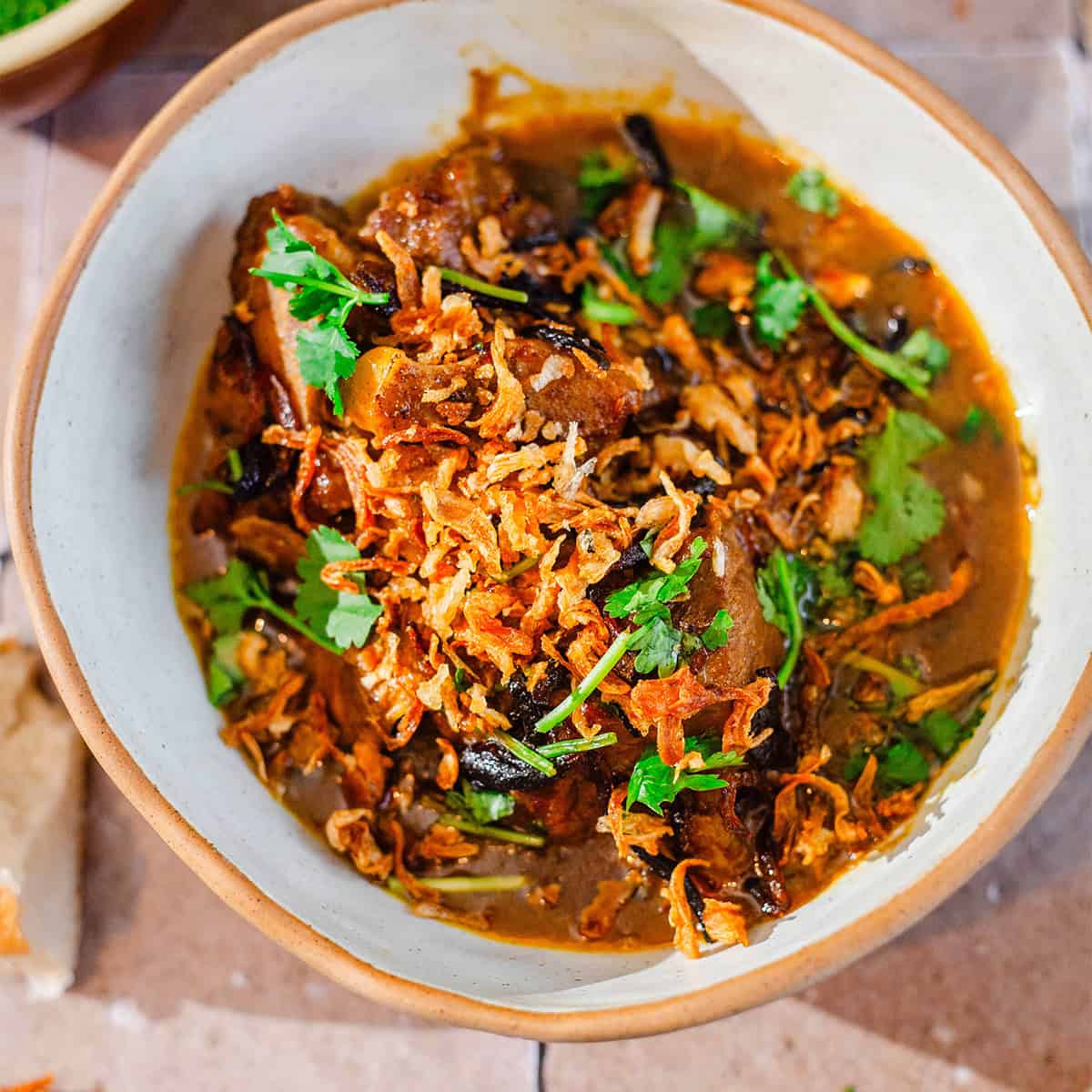
This recipe gives you restaurant-style Pakistani nihari at home with minimal fuss. You can make it entirely on the stovetop or use a pressure cooker, and either way, the result is melt-in-your-mouth meat, swimming in a glossy, intensely flavorful gravy.
Whether it's for a weekend breakfast, brunch, or simply because you're craving comfort in a bowl, this nihari delivers every time.
Jump to:
History of Nihari
Nihari originated in the Mughal kitchens of South Asia, traditionally slow cooked overnight and eaten at dawn. Nihār is an Urdu word and it comes from the Arabic word Nahar meaning 'morning'. Initially a royal breakfast, it eventually found its way into streets and homes across Pakistan. Today, it's closely tied to weekend mornings, Eid celebrations, and family gatherings. In Lahore or Karachi, it's not uncommon to see long lines outside nihari shops before sunrise.
A special variation called Nalli Nihari uses beef bones to release rich marrow, giving the stew a buttery, decadent flavour. While this recipe works beautifully without bones, adding them will deepen the taste even further.
Ingredients and Why They Matter
Nihari's magic is in balance, patience, and technique rather than an overwhelming ingredient list.
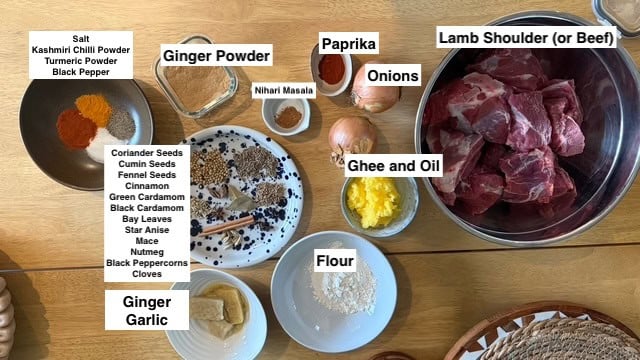
Beef shank is ideal - the bones and connective tissue release collagen as they cook, producing that signature silky gravy. Boneless stew meat works too, but for the richest texture, choose shanks. I use Lamb Shoulder which is a fatty cut of meat, Beef Shanks or Beef Short Ribs.
Onions, ginger, and garlic create the aromatic base, while whole and ground spices such as star anise, cinnamon, cardamom, fennel, mace, paprika, cumin, coriander, turmeric, and a touch of chilli and add depth and warmth.
Nihari masala, either homemade or store-bought, ties everything together.
Atta (whole wheat flour) thickens the gravy naturally. For a gluten-free option, dry-roast brown rice or sorghum flour before mixing it in. Ghee enriches the dish, and fresh garnishes like julienned ginger, green chilies, lemon, and corainder add brightness that cuts through the richness.
How to Make Nihari
The key to a great nihari is layering flavour intentionally:
Step 1: Roast & Grind Spices
Heat a dry pan over medium heat.
Add all whole spices for the Nihari masala and roast for 1-2 minutes, until fragrant.
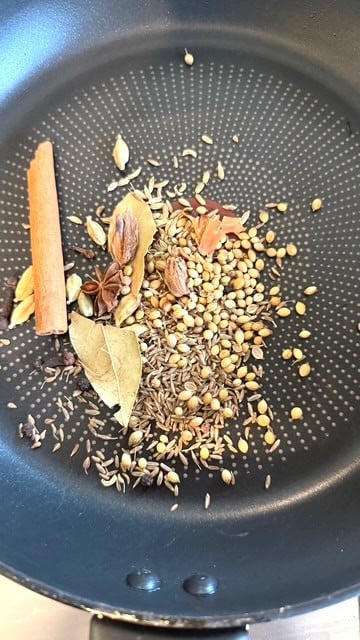
Let cool slightly, then grind to a fine powder using a spice grinder or mortar and pestle.
Step 2: Sear the Meat
In a heavy-bottomed pot, heat oil and ghee together over medium-high heat.
Add lamb chunks and sear for 6-7 minutes, until browned on all sides.
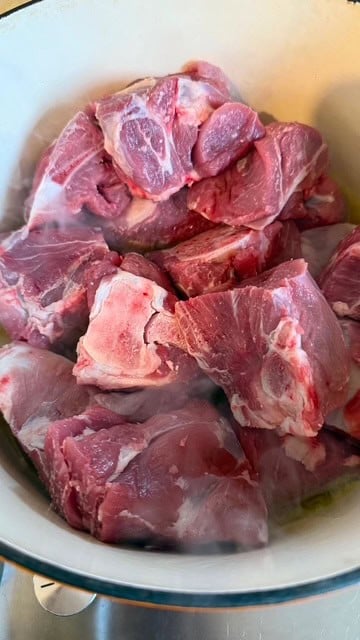
Remove meat from the pot and set aside.
Step 3: Caramelise Onions
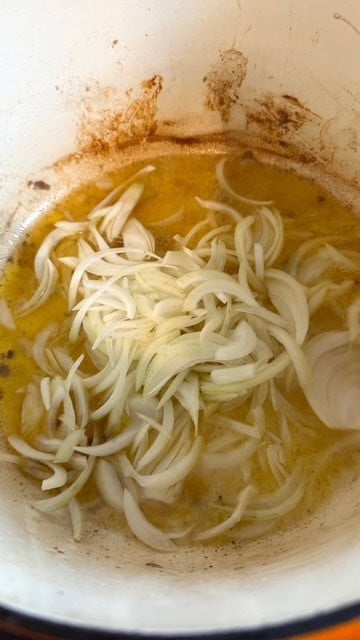
Add sliced onions to the same pot.
Cook over medium heat, stirring frequently, until they turn dark golden brown (approximately 17-20 minutes).
Keep a close eye to prevent burning.
Step 4: Cook Aromatics
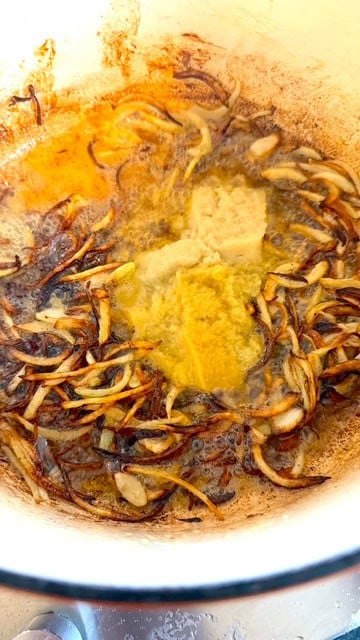
Add garlic and ginger paste to the caramelized onions.
Cook for 2 minutes, stirring continuously until fragrant.
5: Build the Curry
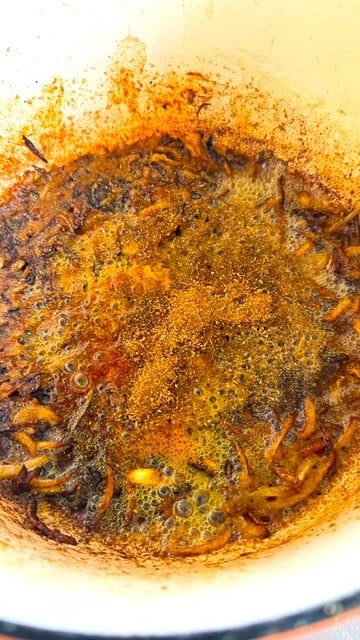
Cook on medium heat for 10 minutes, stirring constantly to release the spices aromas. Add Water if need be and wait till it evaporates before proceeding to the next step.
Step 6: Add Meat & Simmer
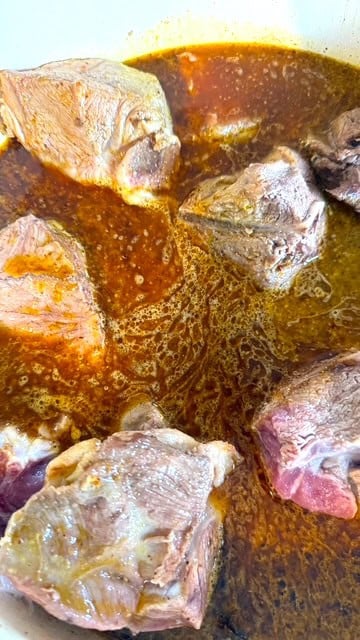
Return the seared meat to the pot.
Add water and bring to a gentle boil.
Note - Water quantity depends on the depth of your pot but there should be enough water to cover the shanks. Pic below is not the best example of this..
Reduce heat to low, cover, and simmer for 3.5 hours (or pressure cook on high for 35 minutes).
Note - Check the Water at regular intervals and top up if needed.
If using beef shanks, simmer longer (approximately 4-6 hours on low until tender). If using a standard cut of Beef, cook for 4 hours.
Step 7: Prepare Flour Slurry
Dry roast the Flour for 1-2 minutes in a dry pan. (Optional step_
In a small bowl, mix flour and boiled water until smooth.
Slowly pour into the Nihari, stirring to combine.
Cook on low heat for 15-20 minutes, until the curry thickens.
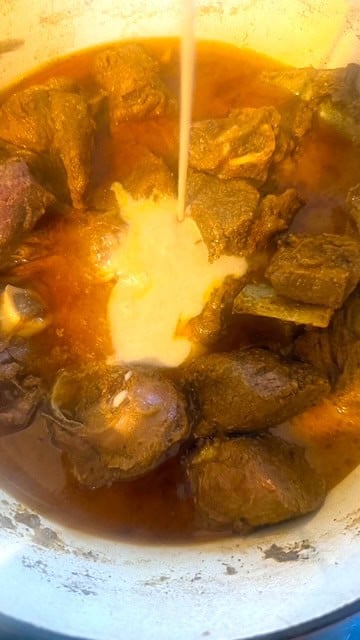
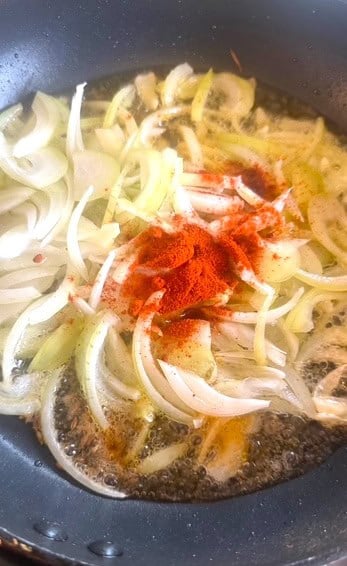
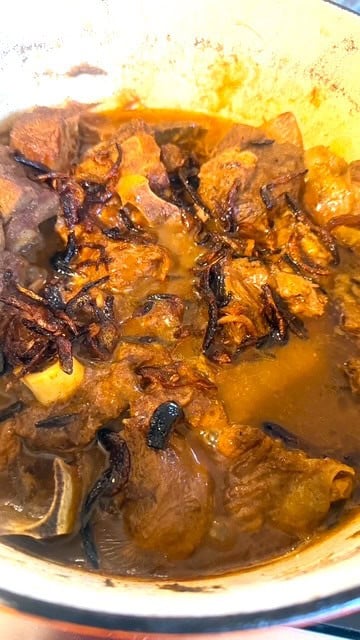
Step 8: Make the Tempering
In a small pan, heat ghee over medium heat.
Add sliced onions, cumin seeds, and paprika.
Cook until golden brown and crispy. Pour this flavourful topping over the Nihari just before serving.
Choosing the Right Meat
The heart of any Nihari is its meat. Traditionally, boneless beef shanks, also called beef shins, are used. If you can't find that, pre-cut beef meat works fine ideally from the shoulder (chuck) or rear muscle (round). I almost always use shoulder pieces because they stay tender like in my Lamb Shoulder recipe or this Haleem recipe.
Tip: look for marbling. Fat streaks in the meat give the Nihari richness and depth. The better the beef, the more luxurious the final dish.
Using Nihari Masala Powder
Nihari is a dish of spices. I have used pre made Nihari Masala and to be honest it is fantastic! So if you don't want to make your own Nihari Masala, then you can use a boxed mix instead.
Always taste as you go and adjust salt and spice according to the brand of masala you're using.
Homemade Nihari Masala
Whenever I can, I reach for fresh spices but now I make my own Nihari Masala blend that's perfect for this recipe. I did however, accidentally drop it all over the floor the day my inlaws were coming over for dinner and i did have to remake it!
2 Black Cardamom Pods
4 Bay Leaves
2 Star Anise
4 Cloves
8 Green Cardamom Pods
½ teaspoon Fennel Seeds (saunf)
⅛ teaspoon Mace or 1 small Mace blade
½ teaspoon Black Peppercorns
1 tablespoon Cumin Seeds
1 tablespoon Coriander Seeds
1 tablespoon Caraway Seeds (Shah Jeera)
⅛ teaspoon Nutmeg
1 small Cinnamon Stick
Roast and grind all the ingredients until they form a fine powder. The aroma alone will make your kitchen feel like a bustling spice market!
Serving Suggestions
Nihari is traditionally enjoyed as a main course or a leisurely brunch. It pairs beautifully with Garlic Naan.
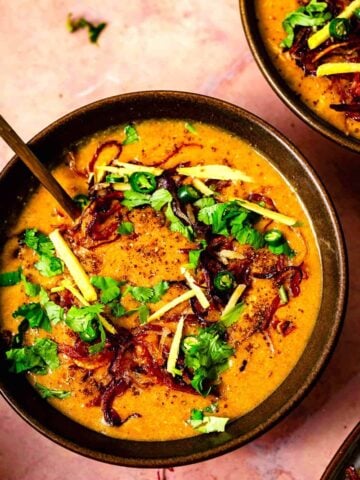
Garnishes are more than decoration. They bring brightness, texture, and flavour contrast. I always serve with lemon wedges, julienned ginger, chopped coriander, freid onions and green chilli peppers. They make each bite lively, tangy, and refreshing.
Variations and Substitutions
Chicken Nihari: Requires less cooking time and yields a lighter flavour.
Boneless beef or lamb: Convenient but less gelatinous.
Gluten-free: Substitute dry-roasted brown rice or sorghum flour for atta.
Bone-in (Nalli Nihari): Adds richness and marrow flavour, optional for depth.
Yoghurt - For a subtle tang and extra body, you can whisk in 1-2 tablespoons of yogurt before adding the slurry.
Tips for Perfect Nihari
Tender meat is essential: Nihari isn't done until the meat practically shreds on its own.
Get the gravy right: The end result should be thick, like a rich soup. If it feels too heavy, stir in boiling water to reach your preferred consistency.
Slow cooker adjustments: If it ends up too thin, finish on the stovetop to reduce and thicken.
Cut size matters: Restaurants often serve large chunks (3-4 inches), which keeps the meat tender. I go for medium cubes that are easier to serve and eat.
Storage
Store leftovers in an airtight container in the refrigerator for up to four days, or freeze for up to two months.
Reheat gently on the stovetop with a splash of water to restore consistency.
FAQs
What makes the broth thick?
Collagen from beef shank plus the atta slurry gives nihari its signature, velvety texture.
Is it spicy?
It's aromatic and warming rather than aggressively spicy; adjust chili to taste.
Can I make nihari in a pressure cooker or Instant Pot?
Yes, but finish the final simmer uncovered with the atta slurry for the best consistency.
Can nihari be frozen?
Absolutely. Reheat gently with a splash of water; avoid over stirring so the meat remains intact.
More comforting recipes:
Lamb Haleem - South Asian style
Daal Gosht Chawal - Lentils with Lamb and Rice
Masoor Daal (Red Lentils) with Garlic Tadka
Rate and Leave a Comment
Did you make this recipe? i'd love to hear about it! did you try any variations? if you loved this recipe/tried any variations/have some top tips, please comment below. Your reviews make our day and your tips help others to find our recipes and enjoy them too! you can also follow us on instagram and subscribe to our newsletter to get our latest recipes.
📖 Recipe

Authentic Pakistani Nihari (Slow-Cooked Lamb or Beef Nihari)
Ingredients
Nihari Masala (or use a pre brought Nihari Spice Mix box)
- 1 tablespoon Cumin Seeds
- 1 tablespoon Coriander Seeds
- 1 tablespoon Caraway Seeds
- ½ teaspoon Fennel Seeds
- ½ tablespoon Black Peppercorns
- 4 Cloves
- 8 Green Cardamom Pods
- 2 Black Cardamom Pods
- 4 Bay Leaves
- 2 Star Anise
- ⅛ teaspoon Nutmeg
- 1 small Cinnamon Stick
- 1 small Mace Blade or ⅛ teaspoon Ground Mace
Meat Searing
- 2 kg Lamb Shanks or Shoulder in medium large chunks (or Lamb/Beef shanks, Shoulder, Short Ribs - timings will differ for other cuts - instructions below)
Onion Base
- 4 tablespoon Ghee
- 2 tablespoon Oil
- 2 Onions Sliced finely
Aromatics
- 2 tablespoon Ginger Paste or 2 inches Ginger, grated
- 2 tablespoon Garlic Paste or 10 cloves Garlic, crushed
Seasoning
- 1 ½ teaspoon Salt
- 1 teaspoon Ground Black Pepper
Remaining Spices
- Shan Nihari Masala Box Store Brought, Optional
- 2 flat tsp Kashmiri Chilli Powder
- ½ teaspoon Ground Ginger
- 1 teaspoon Turmeric Powder
- 1 ½ litres Water
Slurry
- 1 cup Flour Whole Wheat or Plain (All Purpose) Flour
- 2 cups Water boiled
Tempering
- 3 tablespoon Ghee
- 1 large Onion finely sliced
- 1 teaspoon Cumin Seeds
- 1 tablespoon Paprika
Instructions
Step 1: Roast & Grind Spices
- Heat a dry pan over medium heat.Add all whole spices for the Nihari masala and roast for 1–2 minutes, until fragrant.Let cool slightly, then grind to a fine powder using a spice grinder or mortar and pestle.
Step 2: Sear the Meat
- In a heavy-bottomed pot, heat oil and ghee together over medium-high heat.Add lamb chunks and sear for 10 minutes, until browned on all sides.Remove meat from the pot and set aside.
Step 3: Caramelise Onions
- Add sliced onions to the same pot.Cook over medium heat, stirring frequently, until they turn dark golden brown (approximately 17–20 minutes).Keep a close eye on them to prevent burning.
Step 4: Cook Aromatics
- Add garlic and ginger paste to the caramelized onions.Cook for 2 minutes, stirring continuously until fragrant.
5: Build the Curry
- Stir in Salt, Pepper, Nihari masala, Kashmiri chili powder, ground ginger, and turmeric powder.Cook on medium heat for 10 minutes, stirring constantly to release the spices aromas. Add Water if need be and wait till it evaporates before proceeding to the next step.
Step 6: Add Meat & Simmer
- Return the seared meat to the pot.Add water and bring to a gentle boil. Note - The Water quantity varies depending on your pot depth. Add enough Water to cover the Shanks.Reduce heat to low, cover, and simmer for 3.5 hours (or pressure cook on high for 35 minutes). If you ahve used larger pieces, you may need longer.Note - Check the Water at regular intervals and top up if needed.If using beef shanks, simmer longer (approximately 4–6 hours on low until tender). If using a standard cut of Beef, cook for 4 hours.
Step 7: Prepare Flour Slurry
- Dry roast the flour in a pan for 1-2 minutes. (Optional Step)In a small bowl, mix flour and water until smooth.Slowly pour into the Nihari, stirring to combine.Cook on low heat for 15–20 minutes, until the curry thickens.
Step 8: Make the Tempering
- In a small pan, heat ghee over medium heat.Add sliced onions, cumin seeds, and paprika.Cook until golden brown and crispy.Pour this flavourful topping over the Nihari just before serving.
Notes
Choosing the Right Meat
The heart of any Nihari is its meat. Traditionally, boneless beef shanks, also called beef shins, are used. If you can't find that, pre-cut beef meat works fine ideally from the shoulder (chuck) or rear muscle (round). I almost always use shoulder pieces because they stay tender like the Lamb Shoulder in this recipe. Tip: look for marbling. Fat streaks in the meat give the Nihari richness and depth. The better the beef, the more luxurious the final dish.Using Nihari Masala Powder
Nihari is a dish of spices. I have used pre made Nihari Masala and to be honest it is fantastic! So if you don't want to make your own Nihari Masala, then you can use a boxed mix instead. Always taste as you go and adjust salt and spice according to the brand of masala you’re using.Homemade Nihari Masala
I make my own Nihari Masala blend that’s perfect for this recipe. I did however, accidentally drop it all over the floor the day my inlaws were coming over for dinner and I did have to remake it! 2 Black Cardamom Pods 4 Bay Leaves 2 Star Anise 4 Cloves 8 Green Cardamom Pods ½ teaspoon Fennel Seeds (saunf) ⅛ teaspoon Mace or 1 small Mace blade ½ tablespoon Black Peppercorns 1 tablespoon Cumin Seeds 1 tablespoon Coriander Seeds 1 tablespoon Caraway Seeds (Shah Jeera) ⅛ teaspoon Nutmeg 1 small Cinnamon Stick Roast and grind all the ingredients until they form a fine powder. The aroma alone will make your kitchen feel like a bustling spice market!Serving Suggestions
Nihari is traditionally enjoyed as a main course or a leisurely brunch. It pairs beautifully with naan. Garnishes are more than decoration. They bring brightness, texture, and flavour contrast. I always serve lemon wedges, julienned ginger, chopped coriander, fried onions and green chilli peppers alongside the Nihari. They make each bite lively, tangy, and refreshing.Variations and Substitutions
Chicken Nihari: Requires less cooking time and yields a lighter flavour. Boneless beef or lamb: Convenient but less gelatinous. Gluten-free: Substitute dry-roasted brown rice or sorghum flour for atta. Bone-in (Nalli Nihari): Adds richness and marrow flavour, optional for depth. Yoghurt - For a subtle tang and extra body, you can whisk in 1-2 tablespoons of yogurt before adding the slurry.Tips for Perfect Nihari
Tender meat is essential: Nihari isn’t done until the meat practically shreds on its own. Get the gravy right: The end result should be thick, like a rich soup. If it feels too heavy, stir in boiling water to reach your preferred consistency. Slow cooker adjustments: If it ends up too thin, finish on the stovetop to reduce and thicken. Cut size matters: Restaurants often serve large chunks (~3–4 inches), which keeps the meat tender. I go for medium cubes that are easier to serve and eat.Storage
Store leftovers in an airtight container in the refrigerator for up to four days, or freeze for up to two months. Reheat gently on the stovetop with a splash of water to restore consistency.FAQs
What makes the broth thick?Collagen from beef shank plus the atta slurry gives nihari its signature, velvety texture. Is it spicy?
It’s aromatic and warming rather than aggressively spicy; adjust chili to taste. Can I make nihari in a pressure cooker or Instant Pot?
Yes, but finish uncovered with the atta slurry for the best consistency. Can nihari be frozen?
Absolutely. Reheat gently with a splash of water; avoid over stirring so the beef remains intact.
lee says
I liked this but halved everything as i only had 750g of beef which was cubed shin my tip to speed things up is to rub a heaped teaspoon of bicarb in to the beef and leave for 30 mins then rinse very well,the bicarb breaks down the meat resulting in a quicker cooking time and a melt in the mouth cut.This 'velveting' technique can be used with lamb and chicken but adjust according to the toughness of the chosen cut.
Safira says
Glad you enjoyed it and yes agree velveting is a great technique! Thank you for your feedback.
Umar says
This was amazing!
Safira says
Glad you enjoyed it!
Abu m says
Absolute perfection
Safira says
Thank you so much, glad you enjoyed it.