
How to Stock a Persian Pantry: A Beginner's Guide to Iranian Cuisine - Persian cuisine is a tapestry of flavours, textures, and traditions that span over 2,500 years. From the aromatic stews of Ghormeh Sabzi to the delicate sweetness of Faloodeh, the key to recreating these dishes at home lies in a well stocked Persian pantry. Drawing inspiration from culinary experts and Persian cooking enthusiasts, here's a comprehensive guide to the essential ingredients that form the backbone of Iranian cooking. If you know me, you know that Persian cuisine is one of my favourites. Use the Herbs and Spices below to create recipes like Joojeh Kebab, Kebab Koobideh or Easy Persian Shirazi Salad Recipe.
Jump to:
Historical Background
Persian cuisine is one of the world's oldest and most refined food traditions, with roots reaching back over 2,500 years. Born in ancient Persia (modern-day Iran) it flourished across the vast Persian Empire, influencing the food of Greece, Egypt, India, and beyond. Over centuries, conquerors like Alexander the Great, the Mongols, and the Arabs carried these flavors far and wide, yet the cuisine itself remains a hidden gem to many in the West.
At its heart, Persian cooking is about balance and beauty. Sweet paired with sour, herbs mingling with spices, and textures layered with care. Dishes often feature rice that's parboiled and steamed to perfection, creating the beloved golden crust called tahdig. Fruits, nuts, and delicate souring agents bring harmony and depth to every meal.
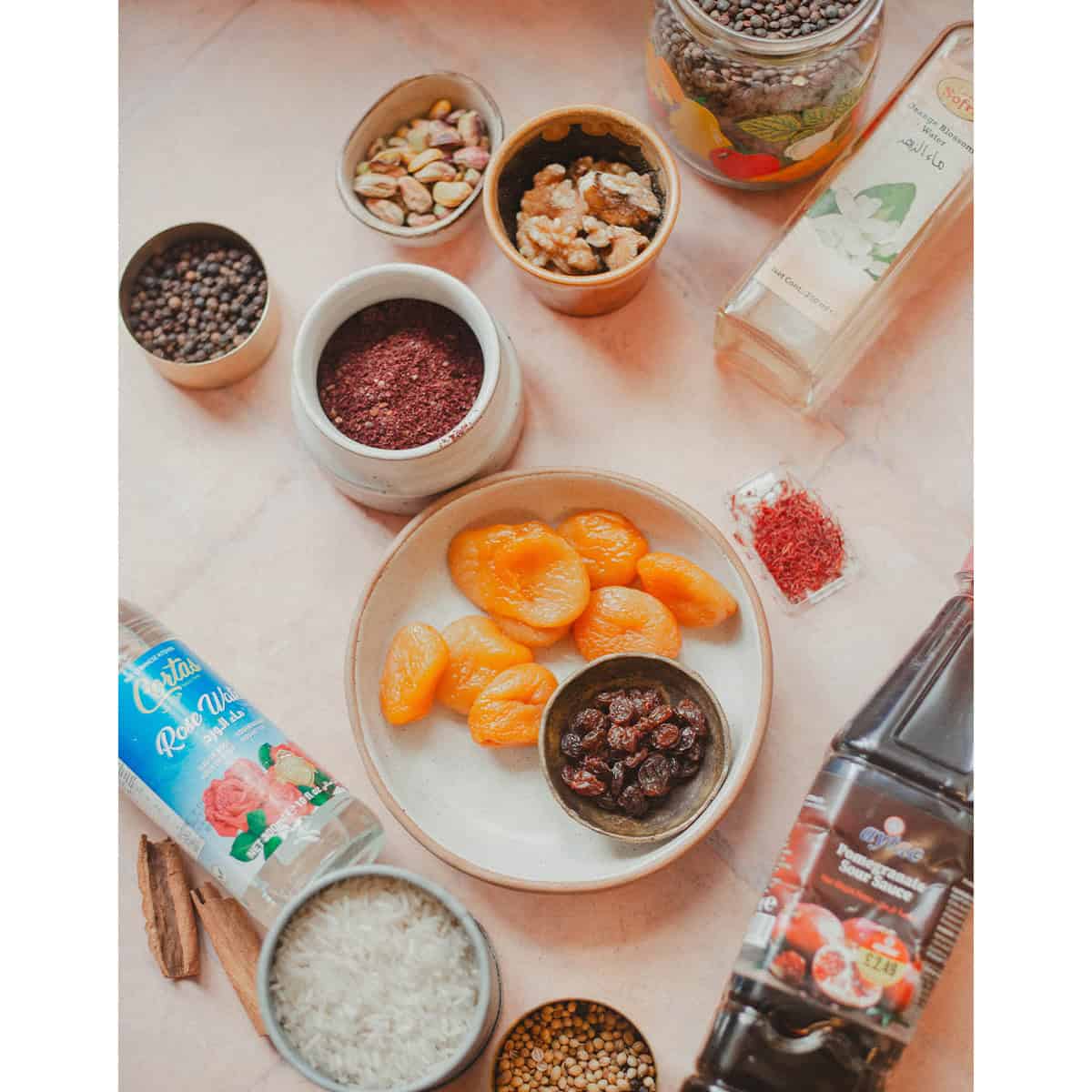
To bring these flavors home, stock up on essentials like saffron, pistachios, rosewater, barberries (zereshk), and dried limes (limoo amani). You'll find them at Persian or Middle Eastern markets, or from trusted online stores such as Sadaf, Persian Basket, Kalamala, and Tavazo. With these pantry staples, you can experience the warmth, fragrance, and elegance that have defined Persian food for millennia.
Essential Spices & Seasonings
Aromatic spices are the soul of Persian dishes, balancing sweet, savory, and sour notes:
Saffron (Za'farān): The jewel of Persian cuisine, saffron imparts a golden hue and a subtle floral flavour to dishes like tahchin and shirin polow. A little goes a long way. Bloom it in warm water and drizzle over rice or stews for instant golden magic.
Turmeric: A foundational spice, turmeric adds depth and warmth to stews and rice dishes.
Sumac: With its tangy, lemony taste, sumac brightens salads and meats.
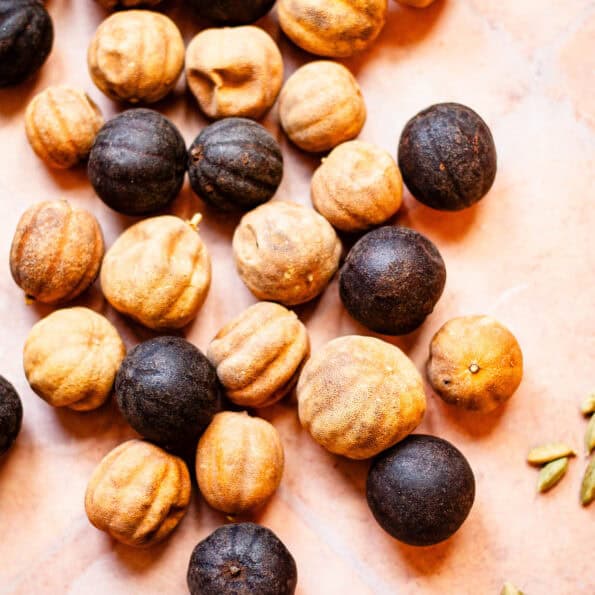
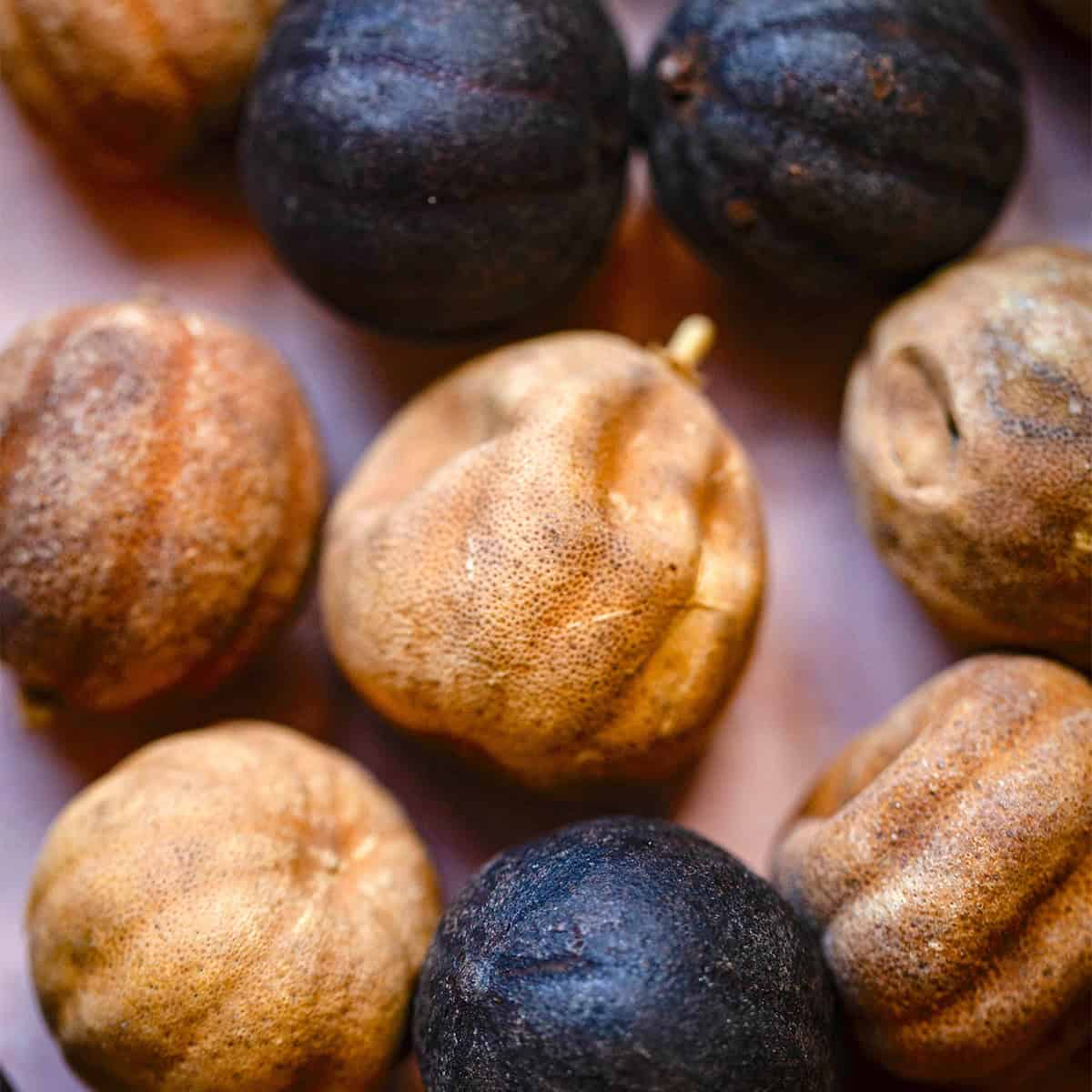
Dried Lime (Limu Omani): These sun-dried limes lend a unique sourness to stews and soups. Drop one into a stew and watch the flavour level up.
Advieh: A Persian spice blend combining cinnamon, cardamom, cumin, and rose petals, essential for rice dishes and stews.
Cardamom, Cinnamon, and Cumin: These spices are frequently used in both sweet and savoury applications.
Fresh & Dried Herbs
Herbs are central to Persian cooking, often used in abundance:
Fresh Herbs: Parsley, coriander, mint, dill, tarragon, and basil are staples in dishes like kookoo sabzi and mast-o-khiar.
Dried Herbs: Fenugreek leaves (shambalileh) and Persian leeks (kâviyân) are commonly used in stews and soups.
Dairy & Fermented Ingredients
Dairy adds richness and tang to Persian dishes:
Full-Fat Yogurt: Used in marinades, sauces, and as a side dish.
Kashk: A fermented whey product, kashk adds a creamy, tangy flavor to dishes like kashk-o-bademjan.
Liqhvān Cheese: A soft, brined cheese similar to feta (pickled feta), often served with herbs and flatbread.
Fruits, Nuts & Legumes
These ingredients provide texture and sweetness to Persian cuisine:
Nuts: Pistachios, walnuts, almonds, and hazelnuts are used in rice dishes, stews, and desserts.
Dried Fruits: Barberries (zereshk), dried apricots, peaches, cherries, and raisins add a sweet-tart contrast to savoury dishes.
Legumes: Yellow split peas, fava beans, and lentils are essential in soups and stews.
Grains & Starches
Staples that form the base of many Persian meals:
Basmati Rice: The preferred rice for Persian pilafs, known for its long grains and aromatic fragrance.
Persian Wheat Noodles: Used in soups like ash reshteh.
Flours: Rice flour and chickpea flour are commonly used in desserts and thickening sauces.
Essential Liquids & Condiments
These liquids elevate the flavour profile of dishes:
Pomegranate Molasses: Adds a sweet-tart depth to stews and marinades.
Rose Water & Orange Blossom Water: Imparts a floral aroma to desserts and beverages.
Verjuice: Sour grape juice used in dressings and sauces.
Vinegar: Often used to balance flavours in stews and rice dishes.
I hope you enjoyed this round up of ingredients that you need in your Persian Pantry.
Where to buy Persian Ingredients
Nowadays, we are spoilt! You can buy most of these ingredients at an International Supermarket. If you are based in London, Finchley Central is the place to go. For any ingredients that you cannot find, there are also international supermarkets online that deliver and if all that fails, there is always Amazon but stick to local if you can!
Noosh-e jān! - May it nourish your soul!

Leave a Reply