
This 2 ingredient pizza dough is one of the easiest ways to make homemade pizza. You don't need yeast, a proving time or a long list of ingredients. Just self-raising flour and Greek yoghurt, mixed together to make a simple dough that's ready to roll, top and bake.

It's a brilliant recipe for busy days, when the children fancy pizza or when you want to make something from scratch without spending hours in the kitchen. The dough comes together in minutes and can be made into one large pizza or two smaller ones.
You can also use it to make quick homemade flatbreads, which makes this a rather handy recipe to have up your sleeve.
Jump to:
Recipe Snapshot
- Prep Time: 5 minutes
- Cook Time: 15-20 minutes
- Total Time: 25 minutes
- Servings: 4
- Difficulty: Easy
Why You'll Love This Recipe
- Just two ingredients - All you need is self-raising flour and Greek yoghurt.
- No yeast required - No waiting for yeast to activate or dough to prove.
- Quick to make - Have homemade pizza ready in around 25 minutes.
- Easy to customise - Add whichever pizza sauce, cheese and toppings you enjoy.
- Versatile - The same dough can be used to make quick flatbreads.
- Budget friendly - Two everyday ingredients make a useful homemade alternative to shop-bought pizza bases.
What Is 2 Ingredient Pizza Dough?
Two ingredient pizza dough is a quick homemade dough made using self-raising flour and Greek yoghurt.
The yoghurt provides the moisture needed to bring the flour together, while the raising agents in the self-raising flour help give the dough some lift as it cooks.
Unlike traditional pizza dough, which uses yeast and needs time to rise, this version can be made and baked almost straight away.
The texture is slightly different from a traditional yeast-risen pizza base. It's softer and more bread-like, but it's a lovely shortcut when you want homemade pizza without the wait.
Ingredients
Self-Raising Flour - This forms the base of the dough. Self-raising flour already contains raising agents, so there is no need to add baking powder or yeast.
Greek Yoghurt - This provides the moisture that brings the flour together into a workable dough. I recommend using thick, plain Greek yoghurt. Full-fat or lower-fat versions can both work, although the consistency will vary between brands.
How To Make 2 Ingredient Pizza Dough
1. Preheat the oven - Preheat your oven to 200°C / Gas Mark 6. Lightly grease a baking tray.
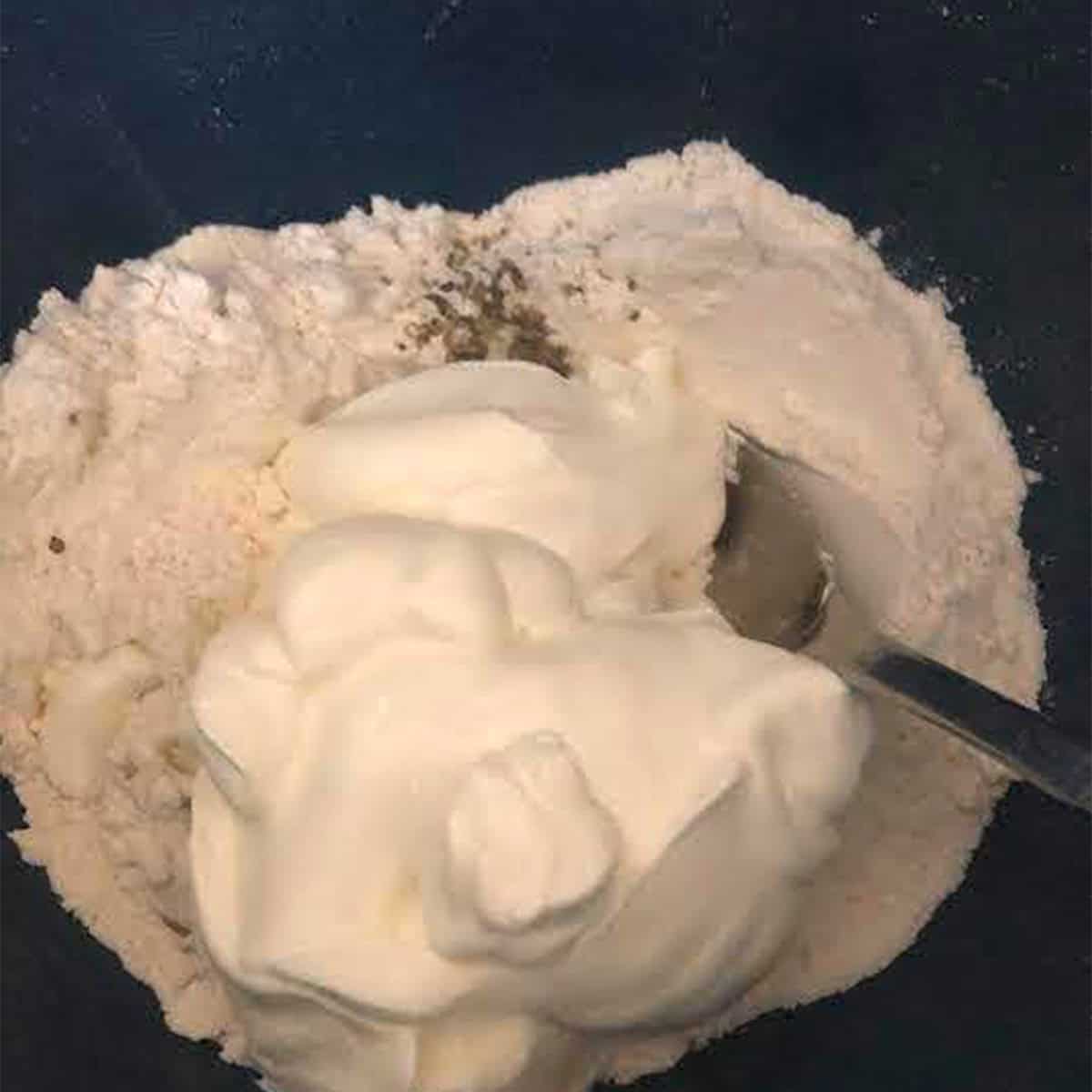
2. Combine the ingredients - Add the self-raising flour and Greek yoghurt to a large mixing bowl. Mix with a spoon or your hands until the ingredients begin to come together.
Note - I added Oregano to the dough below.
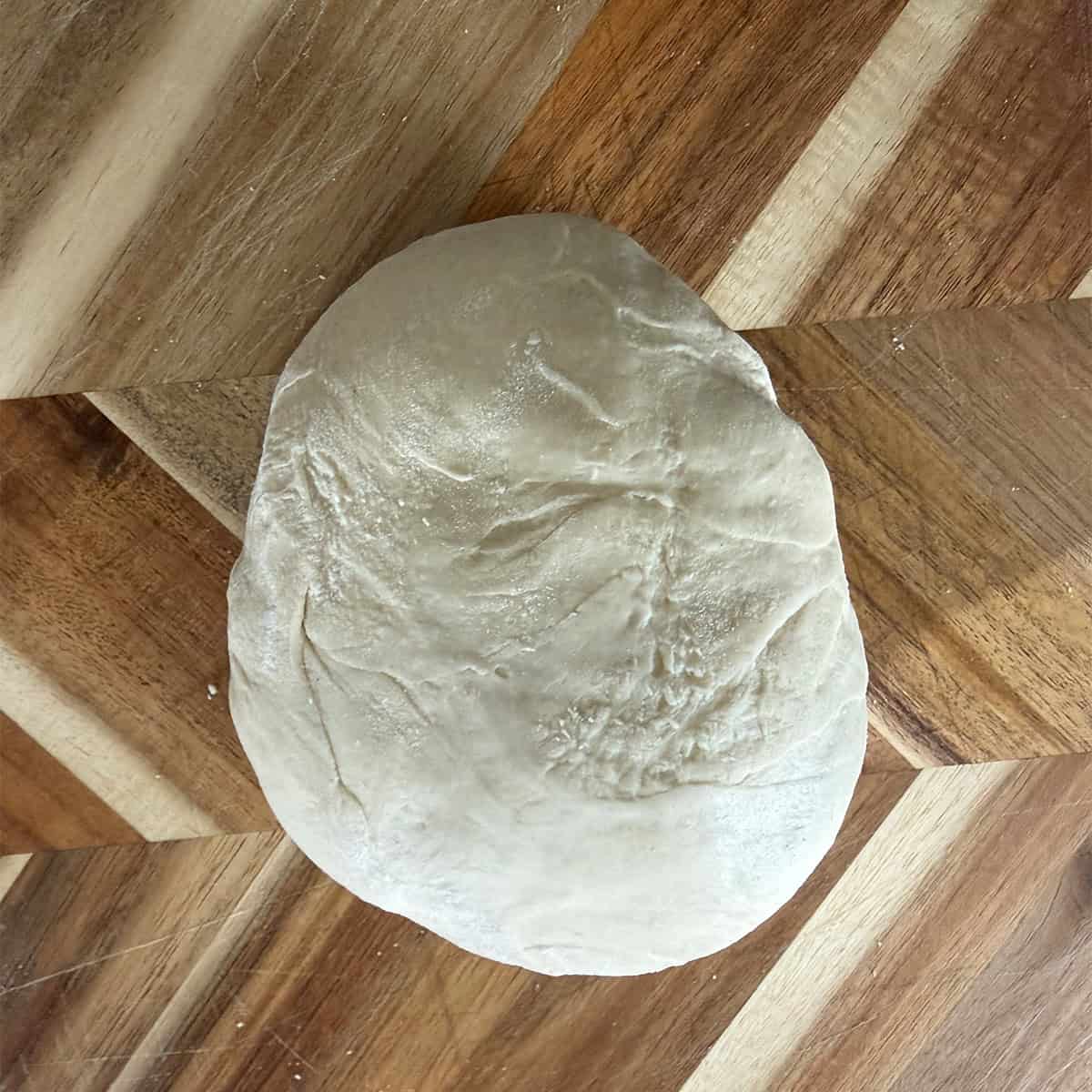
3. Knead the dough - Transfer to a lightly floured work surface and knead for around 5 minutes until you have a smooth dough. If it feels particularly sticky, add a little more flour, a tablespoon at a time.
4. Roll out - Roll the dough out on a lightly floured surface using a rolling pin. Dust your baking tray or pizza stone with semolina before transferring the base. This helps prevent sticking and gives the underside a lovely finish.
5. Add your toppings - Transfer the dough to your prepared baking tray. Spread over your favourite pizza sauce, followed by cheese and your chosen toppings.
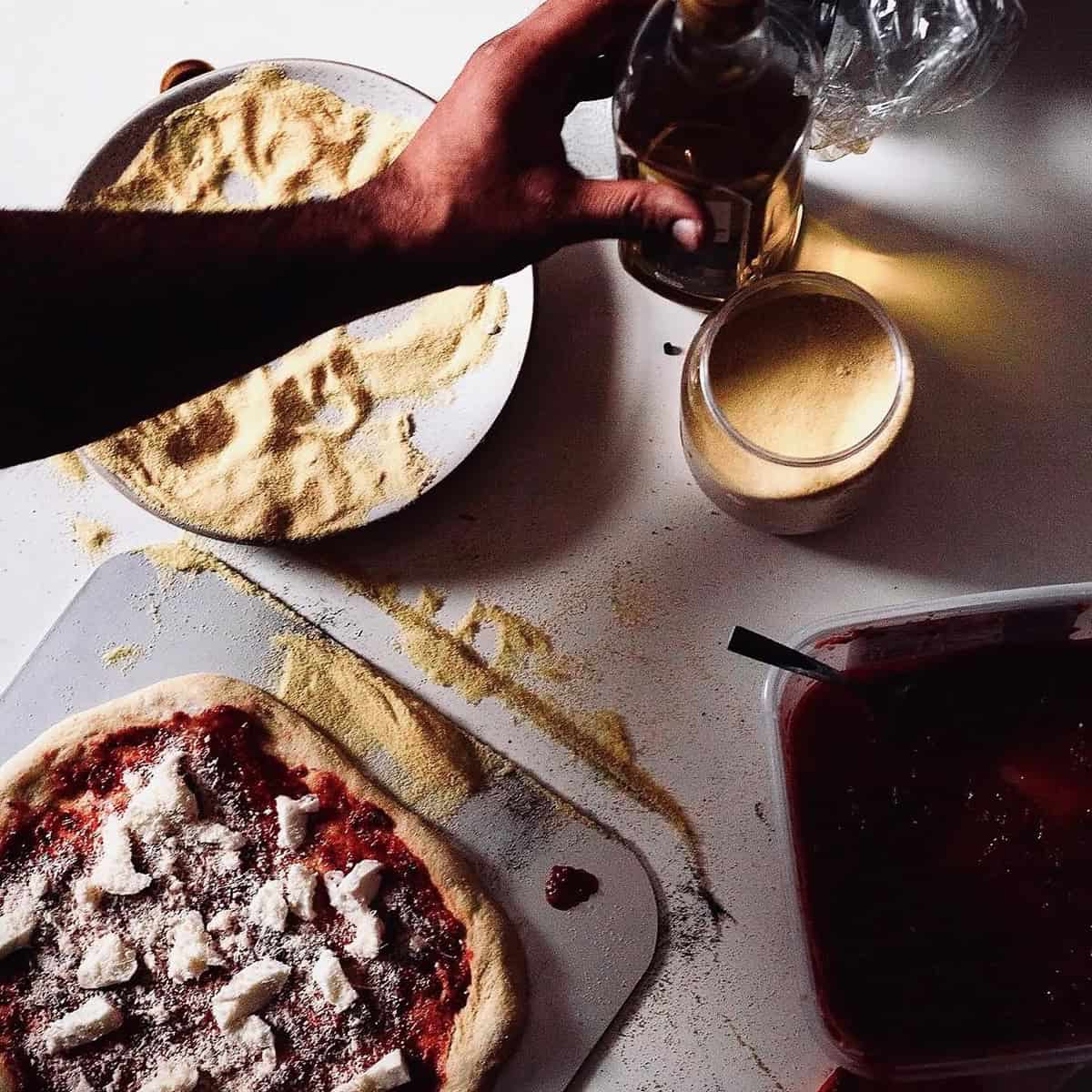
6. Bake - Bake for 15-20 minutes, or until the edges are golden and the base is cooked through.
Note - The pizza below was made in a pizza oven so it is slightly darker than what it looks like from an oven.
Tips For Making The Best 2 Ingredient Pizza Dough
Use thick Greek yoghurt - The thicker the yoghurt, the easier it is to work with. Runny yoghurt can make the dough quite sticky and mean you need to add more flour.
Add flour gradually - Different brands of yoghurt contain different amounts of moisture. Add extra flour a little at a time rather than adding too much at the beginning.
Don't overwork the dough - Knead just until everything comes together into a smooth, workable dough. There is no need for extensive kneading.
Rest if you have time - You can cover the dough and leave it to rest for around 20-30 minutes. This is optional, but can make it easier to roll out.
Roll evenly - Keep the thickness consistent so the pizza cooks evenly. Roll thinner for a crispier base or leave it slightly thicker for a softer result.
Don't overload with toppings - Too much sauce or too many toppings can make the centre of the pizza soggy. Keep the layers fairly light for the best result.
Pre-bake if preferred - For a firmer base, bake the rolled-out dough for a few minutes before adding the sauce and toppings.
Semolina is your best friend - Dust your work surface and baking tray with a little semolina before placing the rolled-out dough on top. Semolina helps prevent sticking, makes the dough easier to move and gives the underside of the pizza a slightly crisp, textured finish. It is a small step that makes a noticeable difference. You can use plain flour if you don't have semolina, but semolina is my preference for pizza.
Pizza Topping Ideas
The beauty of homemade pizza is that you can use whatever you have in the fridge. Here are a few combinations to get you started.
Chicken, Sweetcorn and Jalapeño - Spread tomato pizza sauce over the base, then add cooked shredded or diced chicken, sweetcorn, sliced jalapeños and plenty of grated mozzarella. The sweetcorn brings a little sweetness, while the jalapeños add a lovely kick. Use mild or hot jalapeños depending on how much heat you like.
Vegetarian Hot Pizza - Mix chilli flakes into your tomato pizza sauce before spreading it over the base. Add sliced peppers, red onion, mushrooms, sweetcorn and mozzarella. The spiced tomato sauce gives the vegetables a lovely warmth without overpowering everything else.
Margherita - Keep things classic with tomato sauce, mozzarella and fresh basil. Simple, but always a favourite.
Cheese and Tomato - Spread over tomato sauce and add a generous layer of grated mature cheddar or mozzarella. A good option when you want something straightforward.
Mediterranean - Top with feta, olives, red onion, sliced peppers and tomatoes, finished with a little oregano.
How To Make Flatbreads/naan With The Same Dough
This dough is also useful for making quick homemade flatbreads.
Divide the dough into four equal portions and roll each one into a thin round or oval on a lightly floured surface.
Heat a dry frying pan over a medium-high heat. Cook each flatbread for around 2-3 minutes on each side, until cooked through and lightly golden, with a few darker spots appearing on the surface.
Keep the cooked flatbreads covered with a clean tea towel while you prepare the rest. This helps prevent them from drying out.
Serve alongside curries, grilled meats, dips or salads.
How To Store
Refrigerator - Store uncooked dough in an airtight container in the fridge for up to 24 hours. Bring it closer to room temperature before rolling.
Freezer - Wrap uncooked dough tightly and freeze for up to one month. Defrost overnight in the fridge before using.
Cooked Pizza - Store leftover pizza in an airtight container in the fridge for up to 3 days. Reheat in the oven or air fryer until piping hot.
Frequently Asked Questions
Can I use plain flour instead of self-raising flour?
Yes, but you will need to add a raising agent. Self-raising flour is the easiest option because it already contains raising agents.
Can I use natural yoghurt instead of Greek yoghurt?
You can, although natural yoghurt tends to be thinner. You may need to add more flour to get a dough that is easy to handle. Thick Greek yoghurt gives the most consistent results.
Why is my pizza dough sticky?
This usually happens when the yoghurt contains more moisture than expected. Add a little extra self-raising flour, a tablespoon at a time, until the dough is easier to handle.
Does this pizza dough need to rise?
No. There is no yeast in this recipe, so there is no traditional proving stage. You can leave the dough covered for 20-30 minutes if you wish, but it isn't essential.
Can I make flatbreads/naan with this dough?
Absolutely. Divide the dough into four portions, roll each one out and cook in a hot, dry frying pan for 2-3 minutes on each side. Brush in some Garlic Butter for the best Naan!
Is this the same as traditional pizza dough?
No. Traditional pizza dough uses yeast and develops flavour and texture through fermentation. This is a quicker alternative with a softer, more bread-like texture.
More recipes you may like:


Did you make this recipe?
Rate and Leave a comment
Did you make this recipe? i'd love to hear about it! did you try any variations? if you loved this recipe/tried any variations/have some top tips, please leave a star rating and comment below. Your reviews make our day and your tips help others to find our recipes and enjoy them too!
you can also follow us on instagram and subscribe to our newsletter to get our latest recipes.
📖 Recipe

2 Ingredient Pizza Dough (Quick and Easy)
Ingredients
- 190 g Self Raising Flour
- 200 g Plain Greek Yoghurt
- Pinch Salt
Instructions
- Preheat the oven - Preheat your oven to 200°C / Gas Mark 6. Lightly grease a baking tray.
- Combine the ingredients - Add the self-raising flour and Greek yoghurt to a large mixing bowl. Mix with a spoon or your hands until the ingredients begin to come together.
- Knead the dough - Transfer to a lightly floured work surface and knead for around 5 minutes until you have a smooth dough. If it feels particularly sticky, add a little more flour, a tablespoon at a time.
- Roll out - Roll the dough out on a lightly floured surface using a rolling pin. Dust your baking tray or pizza stone with semolina before transferring the base. This helps prevent sticking and gives the underside a lovely finish.
- Add your toppings - Transfer the dough to your prepared baking tray. Spread over your favourite pizza sauce, followed by cheese and your chosen toppings.
- Bake - Bake for 15-20 minutes, or until the edges are golden and the base is cooked through.
Notes
Tips For Making The Best 2 Ingredient Pizza Dough
Use thick Greek yoghurt - The thicker the yoghurt, the easier it is to work with. Runny yoghurt can make the dough quite sticky and mean you need to add more flour. Add flour gradually - Different brands of yoghurt contain different amounts of moisture. Add extra flour a little at a time rather than adding too much at the beginning. Don't overwork the dough - Knead just until everything comes together into a smooth, workable dough. There is no need for extensive kneading. Rest if you have time - You can cover the dough and leave it to rest for around 20–30 minutes. This is optional, but can make it easier to roll out. Roll evenly - Keep the thickness consistent so the pizza cooks evenly. Roll thinner for a crispier base or leave it slightly thicker for a softer result. Don't overload with toppings - Too much sauce or too many toppings can make the centre of the pizza soggy. Keep the layers fairly light for the best result. Pre-bake if preferred - For a firmer base, bake the rolled-out dough for a few minutes before adding the sauce and toppings. Semolina is your best friend - Dust your work surface and baking tray with a little semolina before placing the rolled-out dough on top. Semolina helps prevent sticking, makes the dough easier to move and gives the underside of the pizza a slightly crisp, textured finish. It is a small step that makes a noticeable difference. You can use plain flour if you don't have semolina, but semolina is my preference for pizza.Pizza Topping Ideas
The beauty of homemade pizza is that you can use whatever you have in the fridge. Here are a few combinations to get you started. Chicken, Sweetcorn and Jalapeño - Spread tomato pizza sauce over the base, then add cooked shredded or diced chicken, sweetcorn, sliced jalapeños and plenty of grated mozzarella. The sweetcorn brings a little sweetness, while the jalapeños add a lovely kick. Use mild or hot jalapeños depending on how much heat you like. Vegetarian Hot Pizza - Mix chilli flakes into your tomato pizza sauce before spreading it over the base. Add sliced peppers, red onion, mushrooms, sweetcorn and mozzarella. The spiced tomato sauce gives the vegetables a lovely warmth without overpowering everything else. Margherita - Keep things classic with tomato sauce, mozzarella and fresh basil. Simple, but always a favourite. Cheese and Tomato - Spread over tomato sauce and add a generous layer of grated mature cheddar or mozzarella. A good option when you want something straightforward. Mediterranean - Top with feta, olives, red onion, sliced peppers and tomatoes, finished with a little oregano.How To Make Flatbreads With The Same Dough
This dough is also useful for making quick homemade flatbreads. Divide the dough into four equal portions and roll each one into a thin round or oval on a lightly floured surface. Heat a dry frying pan over a medium-high heat. Cook each flatbread for around 2–3 minutes on each side, until cooked through and lightly golden, with a few darker spots appearing on the surface. Keep the cooked flatbreads covered with a clean tea towel while you prepare the rest. This helps prevent them from drying out. Serve alongside curries, grilled meats, dips or salads.How To Store
Refrigerator - Store uncooked dough in an airtight container in the fridge for up to 24 hours. Bring it closer to room temperature before rolling. Freezer - Wrap uncooked dough tightly and freeze for up to one month. Defrost overnight in the fridge before using. Cooked Pizza - Store leftover pizza in an airtight container in the fridge for up to 3 days. Reheat in the oven or air fryer until piping hot.Frequently Asked Questions
Can I use plain flour instead of self-raising flour? Yes, but you will need to add a raising agent. Self-raising flour is the easiest option because it already contains raising agents. Can I use natural yoghurt instead of Greek yoghurt? You can, although natural yoghurt tends to be thinner. You may need to add more flour to get a dough that is easy to handle. Thick Greek yoghurt gives the most consistent results. Why is my pizza dough sticky? This usually happens when the yoghurt contains more moisture than expected. Add a little extra self-raising flour, a tablespoon at a time, until the dough is easier to handle. Does this pizza dough need to rise? No. There is no yeast in this recipe, so there is no traditional proving stage. You can leave the dough covered for 20–30 minutes if you wish, but it isn't essential. Can I make flatbreads with this dough? Absolutely. Divide the dough into four portions, roll each one out and cook in a hot, dry frying pan for 2–3 minutes on each side. Is this the same as traditional pizza dough? No. Traditional pizza dough uses yeast and develops flavour and texture through fermentation. This is a quicker alternative with a softer, more bread-like texture.Nutrition


Leave a Reply