
Soft, creamy and packed with flavour, Parsi Akuri is scrambled eggs at their very best. A staple of Parsi cuisine, Akuri transforms humble eggs into something truly special. Gently scrambled with butter, onions, tomatoes, green chillies, ginger, garlic and warming spices, the result is rich, silky and deeply flavourful. Akuri is similar to Egg Burji but not the same. Read on to find out more.

Unlike regular scrambled eggs, Akuri is intentionally cooked until soft and creamy, creating a luxurious texture that has made it one of the most beloved dishes in Parsi households.
Read more: Parsi Akuri (Soft & Creamy Parsi Scrambled Eggs)Quick enough for busy mornings yet satisfying enough for lunch or a light dinner, Akuri is comfort food at its finest. Served with buttered toast, crusty bread, pav or chapati, it is proof that simple ingredients can create extraordinary flavour.
Jump to:
Recipe Snapshot
- Cuisine: Parsi / Indian
- Prep Time: 10 minutes
- Cook Time: 15 minutes
- Total Time: 25 minutes
- Servings: 2
- Difficulty: Easy
- Dietary: Vegetarian, Gluten-Free
- Calories: Approximately 140 kcal per serving
- Protein: Approximately 7 g per serving
Why You'll Love This Recipe
- Ready in around 25 minutes
- Made using simple everyday ingredients
- Rich, soft and creamy texture
- Packed with flavour from fresh aromatics and spices
- Perfect for breakfast, brunch, lunch or a light dinner
- Naturally gluten-free
- Easily adjusted to suit your preferred spice level
What Is Akuri?
Akuri is a traditional Parsi egg dish made by gently scrambling eggs with onions, tomatoes, chillies, herbs and spices.
Unlike regular scrambled eggs or Indian Egg Bhurji, Akuri is intentionally cooked until soft, creamy and slightly loose. The eggs are removed from the heat before they are fully set, allowing the residual heat to finish the cooking. This creates the luxurious texture that makes Akuri one of the most iconic dishes in Parsi cuisine.
Simple, comforting and incredibly flavourful, Akuri is commonly served with toast, bread, pav, chapatis or parathas.
The History of Parsi Akuri
Akuri originates from the Parsi community of India, descendants of Zoroastrians who migrated from Persia to the western coast of India between the 8th and 10th centuries.
Over time, Parsis developed a unique cuisine that blended Persian influences with Indian ingredients and cooking techniques. The result is one of India's most distinctive regional cuisines, celebrated for its balance of sweet, sour, spicy and savoury flavours.
Egg dishes hold a particularly important place in Parsi cooking, and Akuri is perhaps the most famous example. Traditionally enjoyed as a hearty breakfast, it remains a staple in many Parsi homes and is often served alongside bread or pav for a simple but satisfying meal.
I discovered it during lockdown when Chef Cyrus Todiwala shared his version on social media. I was lucky enough to meet him a few years earlier and he is as lovely as he is online!
Today, Akuri is enjoyed far beyond the Parsi community and has become one of India's most loved egg dishes.
Akuri vs Bhurji: What's the Difference?
Although Akuri and Egg Bhurji contain many of the same ingredients, they differ significantly in texture.
Akuri
- Soft and creamy
- Slightly loose consistency
- Gently cooked over low heat
- Rich and buttery
Egg Bhurji
- Fully cooked
- Drier texture
- More crumbly
- Often cooked over higher heat
The texture is what truly sets Akuri apart.
Ingredient Notes
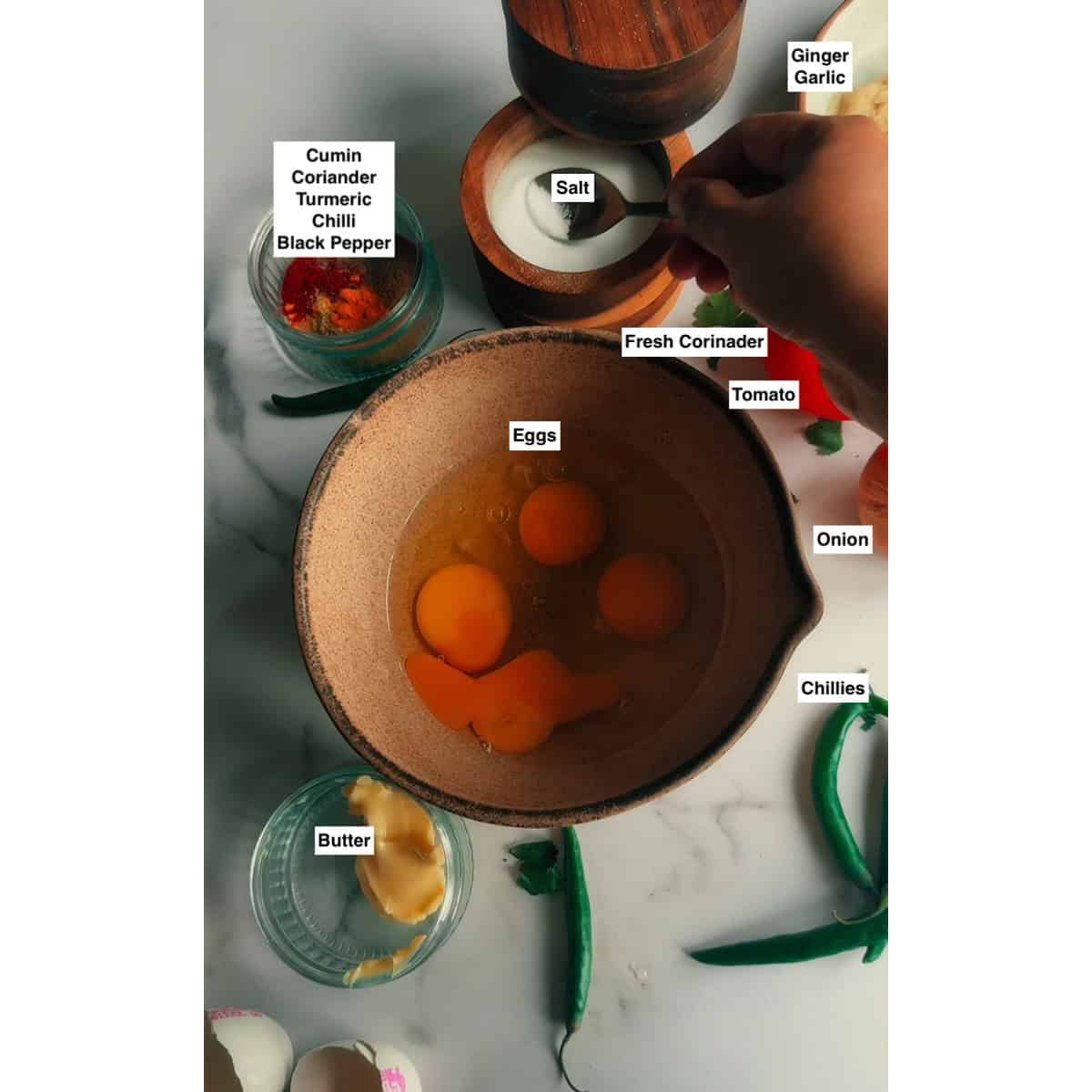
Every ingredient contributes to the distinctive flavour and texture of Akuri.
Eggs
The star of the dish. Fresh eggs create the rich, creamy texture that defines Akuri.
Onion
Onion forms the flavour base of the dish and adds natural sweetness.
Ginger Paste
Fresh ginger paste brings warmth and subtle spice.
Garlic Paste
Garlic adds savoury depth and complements the sweetness of the tomatoes and onions.
Tomatoes
Tomatoes provide acidity, moisture and richness. Cooking them down fully creates the flavourful masala base.
Green Chillies
Green chillies add freshness and heat. Adjust the quantity depending on your preference.
Fresh Coriander
Fresh coriander adds brightness and balances the richness of the eggs and butter.
Ground Turmeric
Turmeric contributes colour and a gentle earthy flavour.
Red Chilli Powder
Red chilli powder adds warmth and depth.
Cumin Powder
Cumin provides earthy notes that complement the eggs beautifully.
Coriander Powder
Ground coriander adds a subtle citrusy flavour and rounds out the spice blend.
Salt
Salt enhances all the other flavours and seasons the eggs properly.
Black Pepper
Black pepper adds gentle warmth and depth.
Butter
Butter creates the rich, silky texture that makes Akuri so comforting.
How To Make Parsi Akuri
Step 1: Whisk the Eggs
Crack the eggs into a bowl and add a pinch of salt. Whisk well until smooth and fully combined. Set aside.

Step 2: Cook the Aromatics
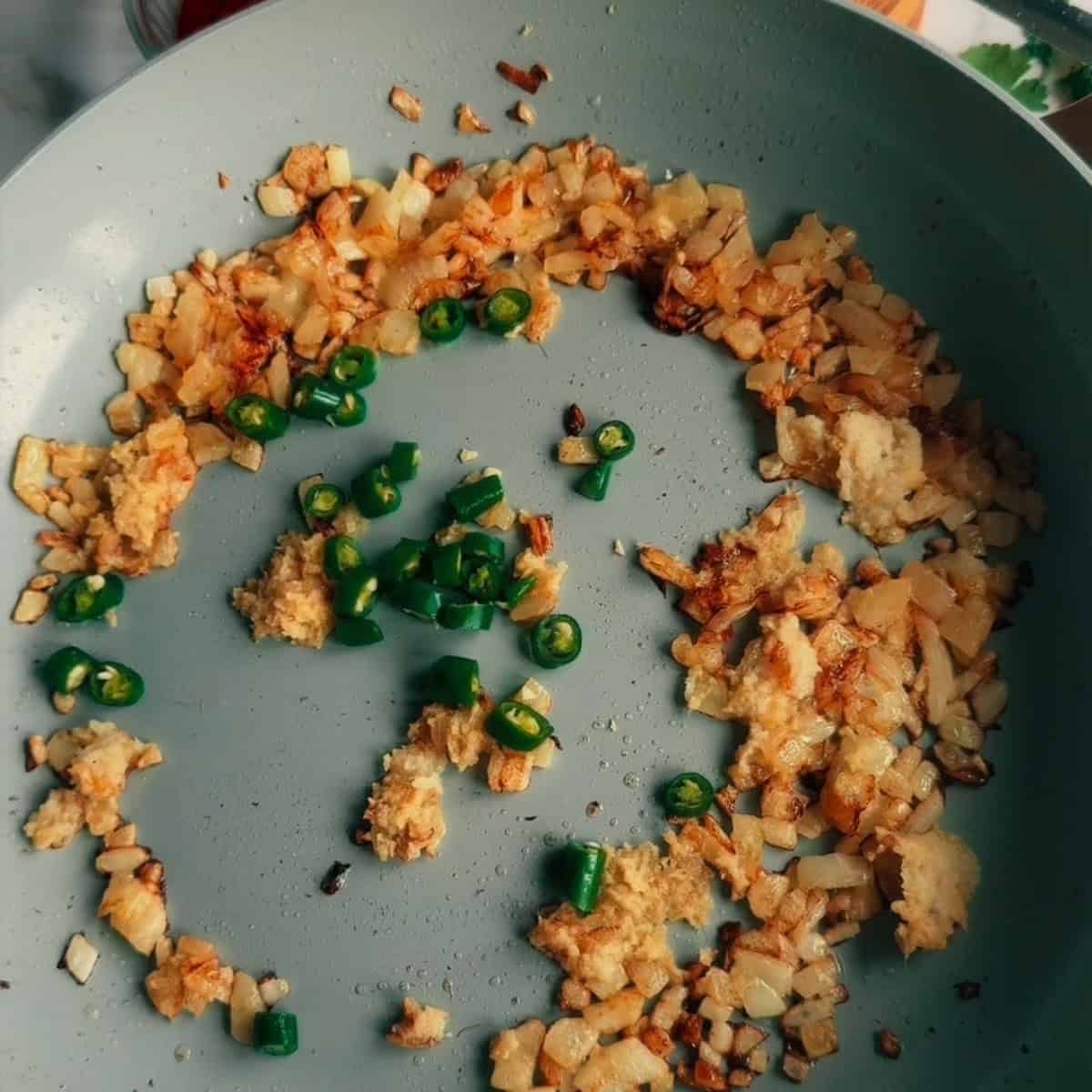
Heat the butter in a frying pan over medium heat. Add the onion and cook for 4 to 5 minutes until softened and golden brown.
Add the green chillies, ginger paste and garlic paste and cook for another minute until fragrant.
Step 3: Make the Masala Base
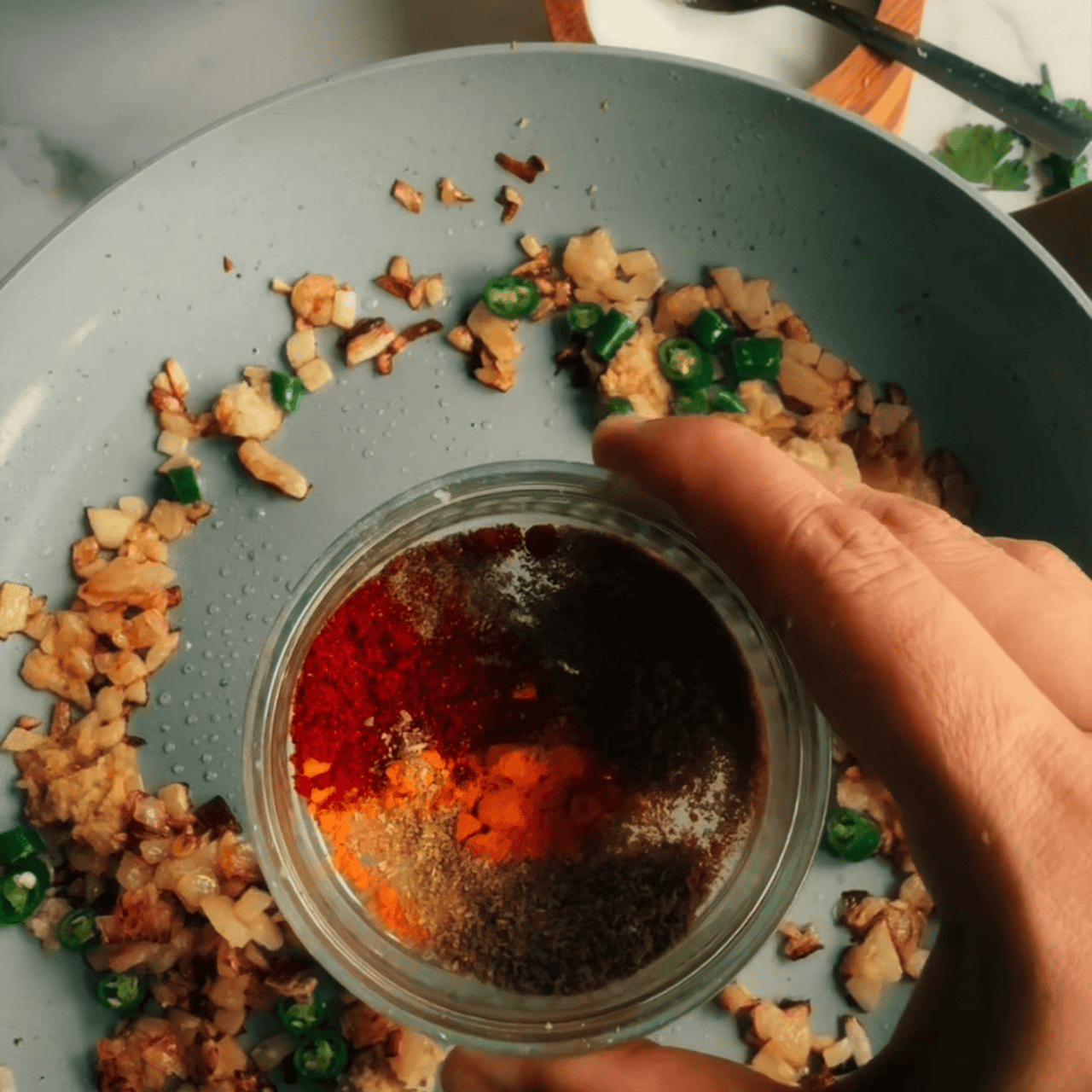
Add the turmeric, red chilli powder, cumin powder, coriander powder, salt and black pepper. Cook for 2 minutes.
Add the tomatoes and cook on medium low for 8 - 10 minutes until until the tomatoes have softened completely and the mixture becomes thick and jammy.

Step 4: Add the Eggs
Reduce the heat to low. Pour the whisked eggs into the pan and gently fold them through the tomato mixture.
Continue stirring slowly, scraping the bottom of the pan as the eggs begin to set.

Step 5: Keep It Soft
Cook until the eggs are softly scrambled and still look slightly loose. Remove from the heat immediately. The residual heat will continue cooking the eggs to the perfect consistency.
Step 6: Serve
Serve immediately while hot and creamy.

Expert Tips
Don't Overcook the Eggs
The secret to great Akuri is texture. The eggs should remain soft, creamy and slightly loose.
Remove From the Heat Early
The eggs will continue cooking from residual heat, so take them off the hob before they look fully cooked.
Cook the Tomatoes Properly
Allow the tomatoes to break down completely before adding the eggs. This creates a richer, more flavourful base.
Use Fresh Eggs
Because eggs are the star ingredient, good quality fresh eggs make a noticeable difference.
Serve Immediately
Akuri is at its absolute best when eaten fresh from the pan.
Variations
Extra Spicy Akuri
Add an extra green chilli or increase the chilli powder.
Cheese Akuri
Stir through a handful of grated cheese just before serving.
Herb-Filled Akuri
Increase the amount of fresh coriander for a brighter finish.
Methi Akuri
Add a small handful of fresh fenugreek leaves for an earthy flavour.
Creamy Akuri
A splash of cream added at the end makes the eggs even richer.
What To Serve With Akuri
Akuri is traditionally served with:
- Buttered toast
- Crusty bread
- Pav
- Chapati
- Paratha
- Sourdough bread
For a traditional Parsi-style breakfast, serve alongside a cup of chai.
Storage
Fridge
Store leftovers in an airtight container in the fridge for up to 1 day.
Reheating
Reheat gently over low heat until warmed through. Avoid overheating as the eggs can become dry.
Freezing
Freezing is not recommended as the texture will deteriorate.
Frequently Asked Questions
Why is my Akuri dry?
The eggs have likely been overcooked. Proper Akuri should remain soft and slightly loose.
Can I make Akuri less spicy?
Yes. Simply reduce the number of chillies or the amount of chilli powder.
What do Parsis traditionally serve with Akuri?
Akuri is most commonly served with toast, bread, pav, chapatis or parathas.
Can I make Akuri ahead of time?
Akuri is best enjoyed immediately after cooking when the eggs are at their creamiest.
Why are the eggs whisked first?
Whisking the eggs creates a smoother texture and helps them cook evenly once added to the masala.
What is the secret to authentic Parsi Akuri?
The key is cooking the eggs gently and removing them from the heat while they are still soft and creamy. Overcooked eggs lose the texture that makes Akuri unique.
More Breakfast Egg Recipes:
Afghani Breakfast Eggs with Potatoes
Egg Bhurji (Indian Spiced Scrambled Eggs)
Delicious Indian Masala Omelette
Moroccan shakshuka - Shakshuka with Harissa
Palestinian Batata Wa Bayd - Mfarakeh
RATE AND LEAVE COMMENT
Did you make this recipe? i'd love to hear about it! did you try any variations? if you loved this recipe/tried any variations/have some top tips, please leace a star rating and comment below. Your reviews make our day and your tips help others to find our recipes and enjoy them too! you can also follow us on instagram and subscribe to our newsletter to get our latest recipes.
📖 Recipe

Parsi Akuri (Soft & Creamy Parsi Scrambled Eggs)
Ingredients
- 4 Eggs
- Pinch Salt
- 2 tablespoon Butter
- 1 small Onion Diced
- 1 teaspoon Ginger Paste
- 1 teaspoon Garlic Paste
- 2 medium Tomatoes Diced
- 2 Green Chillied Finely Sliced
- 1 tablespoon Coriander Sliced
- ¼ teaspoon Ground Turmeric
- ½ teaspoon Red Chilli Powder
- ¼ teaspoon Cumin Powder
- ¼ teaspoon Coriander Powder
- ½ teaspoon Salt or to taste
- ½ teaspoon Ground Black Pepper
Instructions
- Step 1: Whisk the EggsCrack the eggs into a bowl and add a pinch of salt. Whisk well until smooth and fully combined. Set aside.
- Step 2: Cook the AromaticsHeat the butter in a frying pan over medium heat. Add the onion and cook for 4 to 5 minutes until softened and golden brown. Add the green chillies, ginger paste and garlic paste and cook for another minute until fragrant.
- Step 3: Make the Masala BaseAdd the turmeric, red chilli powder, cumin powder, coriander powder, salt and black pepper. Cook for 2 minutes.Add the tomatoes and cook on medium low for 8 - 10 minutes until until the tomatoes have softened completely and the mixture becomes thick and jammy.
- Step 4: Add the EggsReduce the heat to low. Pour the whisked eggs into the pan and gently fold them through the tomato mixture. Continue stirring slowly, scraping the bottom of the pan as the eggs begin to set.
- Step 5: Keep It SoftCook until the eggs are softly scrambled and still look slightly loose. Remove from the heat immediately. The residual heat will continue cooking the eggs to the perfect consistency.
- Step 6: ServeServe immediately while hot.
Notes
Expert Tips
Don't Overcook the EggsThe secret to great Akuri is texture. The eggs should remain soft, creamy and slightly loose. Remove From the Heat Early
The eggs will continue cooking from residual heat, so take them off the hob before they look fully cooked. Cook the Tomatoes Properly
Allow the tomatoes to break down completely before adding the eggs. This creates a richer, more flavourful base. Use Fresh Eggs
Because eggs are the star ingredient, good quality fresh eggs make a noticeable difference. Serve Immediately
Akuri is at its absolute best when eaten fresh from the pan.
Variations
Extra Spicy Akuri Add an extra green chilli or increase the chilli powder. Cheese Akuri Stir through a handful of grated cheese just before serving. Herb-Filled Akuri Increase the amount of fresh coriander for a brighter finish. Methi Akuri Add a small handful of fresh fenugreek leaves for an earthy flavour. Creamy Akuri A splash of cream added at the end makes the eggs even richer.What To Serve With Akuri
Akuri is traditionally served with:- Buttered toast
- Crusty bread
- Pav
- Chapatti
- Paratha
- Sourdough bread




Leave a Reply