
Hawaij is a Yemeni spice blend made with a combination of warm, aromatic spices. There isn't one single recipe for it. The blend changes depending on how it is being used, with one version traditionally used for savoury dishes and another commonly used to flavour coffee, tea and sweet dishes.
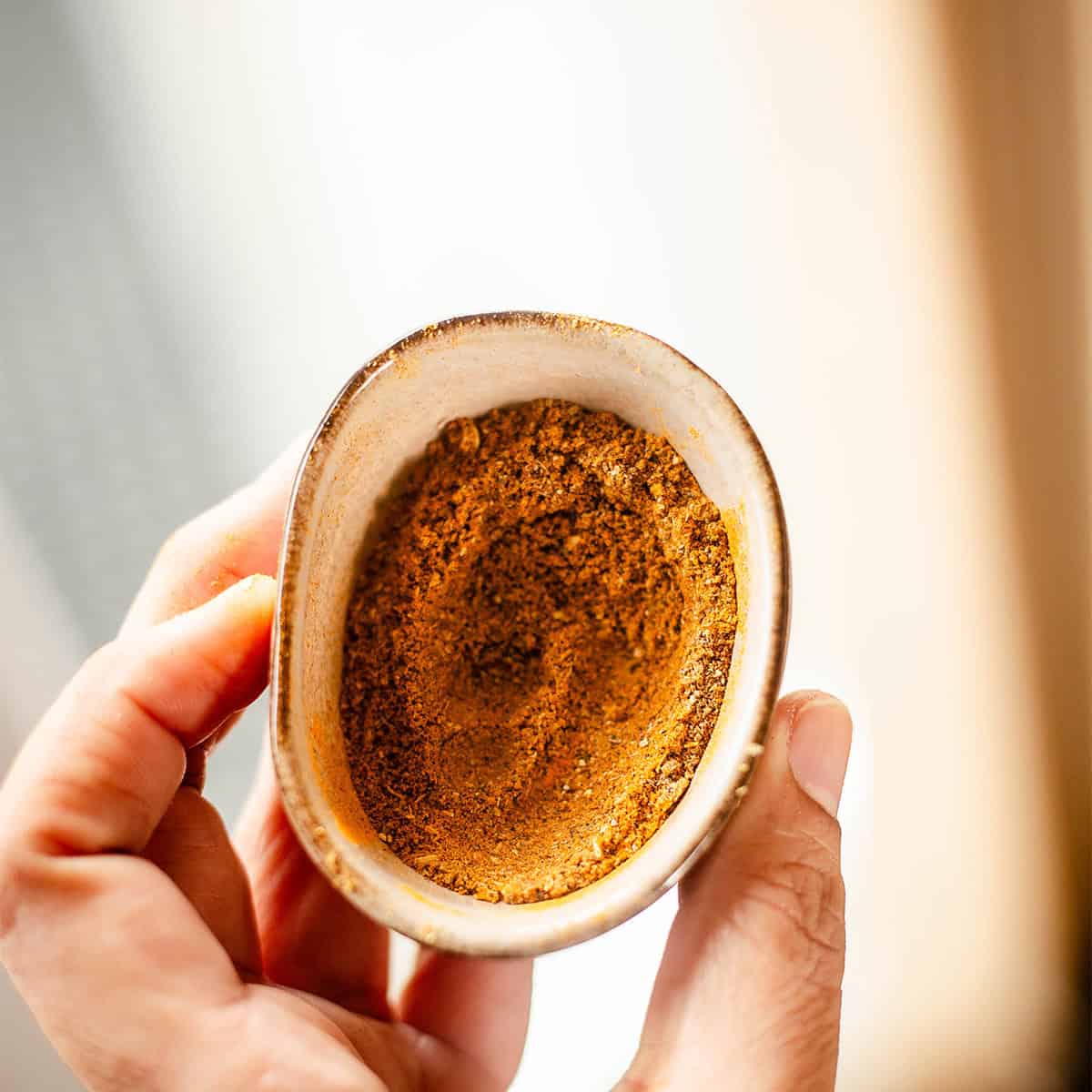
The savoury blend is particularly useful in soups, stews, rice dishes and meat. The sweeter version brings cinnamon, cardamom and other warming spices to drinks and desserts.
Like many spice blends, hawaij is less about following one fixed formula and more about having a combination of spices that works together. Make a jar, keep it beside your other everyday spices and use it whenever a dish needs a little more warmth and fragrance.
What is Hawaij?
Hawaij is a Yemeni spice blend. The name is also written as hawaj or hawayij, depending on transliteration.
There are two broad types you'll come across:
Savoury hawaij - commonly made with cumin, coriander, black pepper, turmeric and cardamom and used in soups, stews, rice and meat dishes.
Sweet or coffee hawaij - made with warming spices such as cardamom, cinnamon, ginger and cloves and used in coffee, tea and desserts.
The exact combination varies between recipes, families and regions, so you may find hawaij that looks or tastes slightly different from another blend.
Where Does Hawaij Come From?
Hawaij comes from Yemen, where spice blends have long been part of everyday cooking.
Yemen's position at the southern end of the Arabian Peninsula also placed it within long-established trading networks connecting Arabia with East Africa and the Indian Ocean. Yemeni food developed within this wider movement of people, ingredients and ideas, and hawaij is one example of that culinary history.
Hawaij is also used in parts of the Horn of Africa, including Somalia and Djibouti, where Yemeni and East African food traditions have influenced one another over generations. It is a good reminder that food rarely stays neatly within borders. Spices travel with people.
Savoury Hawaij
My savoury version is built around cumin and coriander, with black pepper, turmeric and cardamom.
Ingredients
2 tablespoon cumin seeds
1 tablespoon coriander seeds
1 ½ tablespoon black peppercorns
1 tablespoon ground turmeric
Small Stick Cinnamon
1 teaspoon Cloves
1 teaspoon cardamom seeds
Ingredient Notes
- Cumin: The main earthy note in the blend. Toasting the seeds first makes them more fragrant.
- Coriander: Adds a lighter, citrusy quality that balances the cumin.
- Black pepper: Brings gentle heat.
- Turmeric: Adds colour and a warm earthy flavour. Because it is already ground, it doesn't need to be toasted.
- Cardamom: A small amount adds fragrance without making the blend taste like a cardamom-heavy chai.
- Cinnamon: Adds a sweet warmth.
- Cloves: Adds a intensely warmth, sweet and pungent flavour.
Sweet Hawaij
Sweet hawaij is the one to reach for when you want to flavour coffee, tea, porridge or a dessert.
Ingredients
1 tablespoon cinnamon sticks
1 teaspoon cloves
1 teaspoon cardamom pods
1 teaspoon ground ginger
½ teaspoon nutmeg or aniseed
You can use either nutmeg or aniseed depending on the flavour you prefer. I particularly like the aniseed version when using the blend in drinks.
How to Make Hawaij
If you're using whole spices, lightly toast them in a dry frying pan over a low to medium heat for around 30-60 seconds.
You're not trying to brown them. Just heat them until they become noticeably fragrant.
Leave them to cool, then grind them in a spice grinder or mortar and pestle until finely ground.
Mix with any ground spices and transfer to an airtight jar.
Store somewhere cool and dark.
A note on the turmeric
Don't toast the ground turmeric with the whole spices. Add it after grinding instead.
How to Use Hawaij
Savoury Hawaij
This is where I use it most often:
- Yemeni Mandi Spatchcock Chicken
- Yemeni Mandi with Lamb Shanks
- Lamb Zurbian - Yemeni Biryani with Lamb and Potatoes
- Stir it into lentil or vegetable soup.
- Add it to stews.
- Season rice before cooking.
- Rub onto chicken, lamb or beef before roasting or grilling.
- Add it to marinades.
- Sprinkle a little over roasted vegetables.
- Stir it through chickpeas or beans.
It works particularly well anywhere you'd normally reach for cumin or a warm spice blend.
Sweet Hawaij
The sweet blend can be used in:
- Coffee
- Black tea
- Porridge
- Rice pudding
- Cakes and biscuits
- Custards
- Spiced syrups
- Other milk-based desserts
Start with a small amount. The spices are aromatic, so you don't need loads.
Hawaij vs Baharat
Hawaij and baharat are both Middle Eastern spice blends, but they aren't interchangeable.
Hawaij is Yemeni and is commonly made in separate savoury and sweet/coffee versions.
Baharat is more Lebanese and comes from a broader family of spice blends found across parts of the Middle East and surrounding regions. Its ingredients vary considerably, but it is generally used as a savoury seasoning for meat, rice, soups and stews.
There can be some overlap in the spices used, but the blends have different culinary traditions and aren't simply two names for the same thing.
How to Store Hawaij
Transfer the finished blend to an airtight jar and keep it somewhere cool and away from direct sunlight.
Ground spices gradually lose their aroma, so I prefer making smaller batches rather than keeping a huge jar for years.
For the best flavour, use within around 6 months.
Ways to Use Hawaij
- Yemeni Lentil Soup
This is one of the easiest places to start with savoury hawaij. Add it to a lentil soup for a warm, earthy spice base. A great Lentil Soup to add it to is Shorbat Adas.
You could also use it in:
- Yemeni Mandi
- Rice dishes such as Zurbian
- Chicken marinades
- Roasted vegetables
- Chickpea stews
- Spiced tea
- Coffee
- Porridge
FAQs
Is hawaij the same as baharat?
No. They are different spice blends with different culinary traditions. Hawaij is specifically associated with Yemen and is commonly made as both a savoury blend and a sweet/coffee blend.
What does hawaij taste like?
Savoury hawaij is earthy, warm and aromatic, with cumin and coriander at the forefront. Sweet hawaij is warmer and more fragrant, with spices such as cinnamon, cardamom, ginger and cloves.
Is hawaij spicy?
It has some warmth from black pepper, but it isn't usually a chilli-hot spice blend.
Can I use ground spices?
Yes. Whole spices give you a fresher flavour, particularly when lightly toasted before grinding, but ground spices make a perfectly practical everyday blend.
How long does homemade hawaij last?
For the best flavour, use it within around 6 months and keep it in an airtight container away from heat and light.
What can I substitute for hawaij?
There isn't a single substitute because the blend varies depending on which type you're making. For savoury dishes, cumin, coriander and black pepper can provide a similar starting point, but the flavour won't be exactly the same.
Is there only one recipe for hawaij?
No. Hawaij varies between recipes, families and regions. The proportions and even the spices used can differ, particularly between savoury and sweet versions.
More Yemeni Recipes:
Yemeni Mandi Spatchcock Chicken
Red Sahawiq (Bisbas) -Yemeni Fresh Chilli & Tomato Salsa
Yemeni Lahsa - Creamy Cheesy Eggs
Lamb Zurbian - Yemeni Biryani with Lamb and Potatoes
Rate and Leave a comment
Did you make this recipe? i'd love to hear about it! did you try any variations? if you loved this recipe/tried any variations/have some top tips, please leave a star rating and comment below. Your reviews make our day and your tips help others to find our recipes and enjoy them too!
you can also follow us on instagram and subscribe to our newsletter to get our latest recipes.
📖 Recipe

Hawaij - Yemeni Spice Blend
Ingredients
- 2 tablespoon cumin seeds
- 1 tablespoon coriander seeds
- 1 ½ tablespoon black peppercorns
- Small Stick Cinnamon
- 1 teaspoon Cloves
- 1 teaspoon cardamom seeds
- 1 tablespoon ground turmeric
Instructions
- Lightly toast whole spices in a dry frying pan over a low to medium heat for around 30-60 seconds.
- You're not trying to brown them. Just heat them until they become noticeably fragrant.
- Leave them to cool, then grind them in a spice grinder or mortar and pestle until finely ground.
- Mix with Turmeric and transfer to an airtight jar.
- Store somewhere cool and dark.
Notes
Sweet Hawaij
Sweet hawaij is the one to reach for when you want to flavour coffee, tea, porridge or a dessert.Ingredients
1 tablespoon cinnamon sticks1 teaspoon cloves
1 teaspoon cardamom pods
1 teaspoon ground ginger
½ teaspoon nutmeg or aniseed You can use either nutmeg or aniseed depending on the flavour you prefer. I particularly like the aniseed version when using the blend in drinks.
How to Use Hawaij
Savoury Hawaij
This is where I use it most often:- Yemeni Mandi Spatchcock Chicken
- Yemeni Mandi with Lamb Shanks
- Lamb Zurbian - Yemeni Biryani with Lamb and Potatoes
- Stir it into lentil or vegetable soup.
- Add it to stews.
- Season rice before cooking.
- Rub onto chicken, lamb or beef before roasting or grilling.
- Add it to marinades.
- Sprinkle a little over roasted vegetables.
- Stir it through chickpeas or beans.
Sweet Hawaij
The sweet blend can be used in:- Coffee
- Black tea
- Porridge
- Rice pudding
- Cakes and biscuits
- Custards
- Spiced syrups
- Other milk-based desserts
Hawaij vs Baharat
Hawaij and baharat are both Middle Eastern spice blends, but they aren't interchangeable. Hawaij is Yemeni and is commonly made in separate savoury and sweet/coffee versions. Baharat is more Lebanese and comes from a broader family of spice blends found across parts of the Middle East and surrounding regions. Its ingredients vary considerably, but it is generally used as a savoury seasoning for meat, rice, soups and stews. There can be some overlap in the spices used, but the blends have different culinary traditions and aren't simply two names for the same thing.How to Store Hawaij
Transfer the finished blend to an airtight jar and keep it somewhere cool and away from direct sunlight. Ground spices gradually lose their aroma, so I prefer making smaller batches rather than keeping a huge jar for years. For the best flavour, use within around 6 months.Ways to Use Hawaij
- Yemeni Lentil Soup
- Yemeni Mandi
- Rice dishes such as Zurbian
- Chicken marinades
- Roasted vegetables
- Chickpea stews
- Spiced tea
- Coffee
- Porridge

Leave a Reply