
Mandazi, also known as Somali bur, are often described as East African or Somali beignets. These lightly sweetened fried doughnuts/breads are soft inside, golden on the outside and delicately flavoured with cardamom.
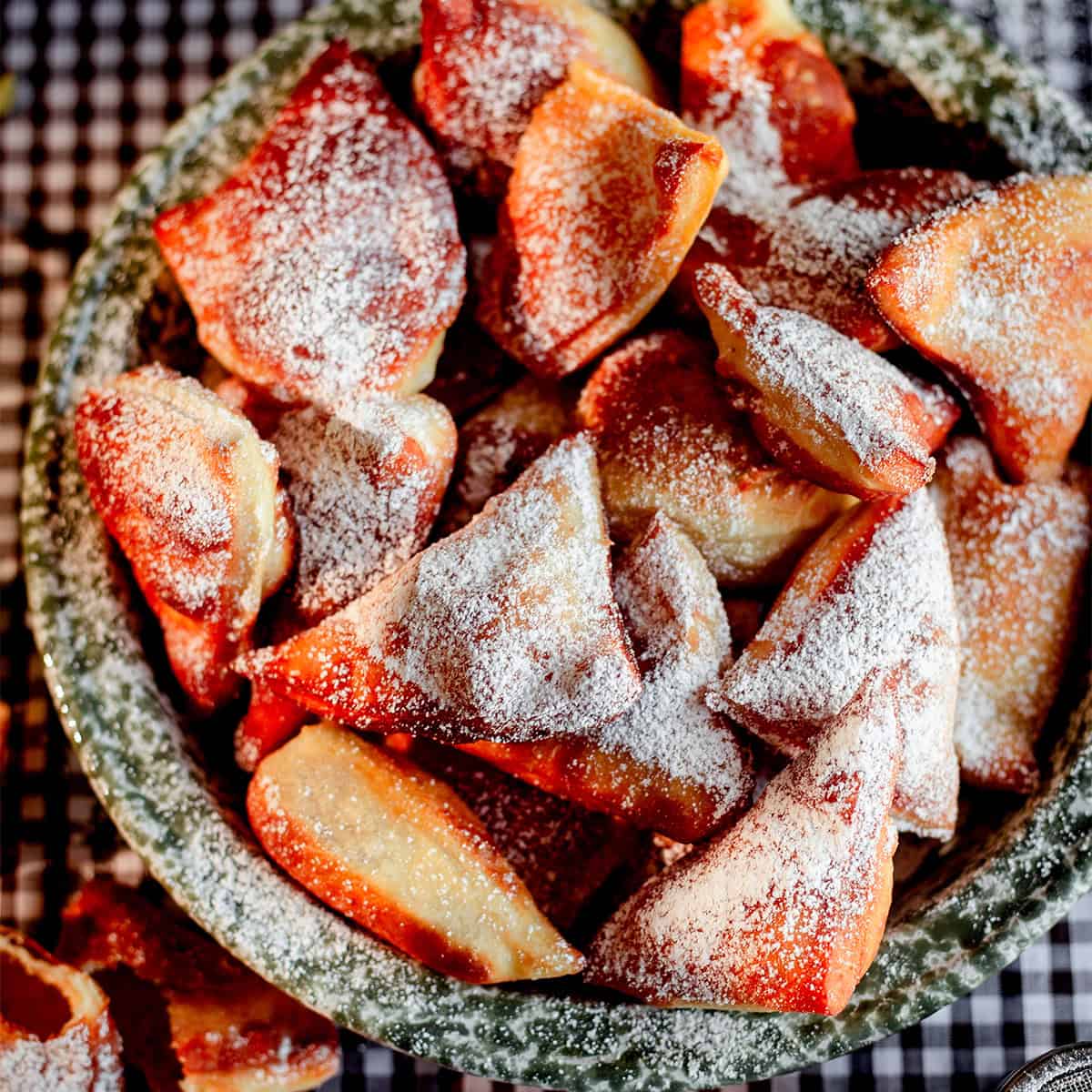
They're made with simple ingredients, including flour, yeast, milk and sugar, then rolled out, cut into triangles and deep-fried until golden. They're delicious served alongside a cup of chai or coffee, whether for breakfast or an afternoon snack.
This recipe uses milk, but you can swap it for coconut milk to make mahamri, a popular variation associated with the Swahili coast. I sometimes love adding lemon zest or cinnamon to the dough for a slightly different flavour.
Jump to:
Recipe Snapshot
Prep Time: 15 minutes
Rise Time: 1 hour
Cook Time: 15-20 minutes, depending on batch size
Total Time: Approximately 1 hour 35 minutes
Servings: 4-6
Course: Breakfast, Snack
Cuisine: East African, Somali
Dietary: Vegetarian
Texture: Soft and fluffy inside with a golden exterior.
Flavour: Lightly sweet, with fragrant cardamom.
Best Served With: Chai, tea or coffee.
What Are Mandazi (Somali Bur)?
Mandazi are East African fried breads enjoyed for breakfast or as a snack. Somali bur is another name for these fried breads, and they're often compared to beignets because of their soft centres and golden, fried exteriors.
Unlike many Western doughnuts, mandazi and Somali bur are generally lightly sweetened and don't need a glaze or filling. Cardamom adds a lovely fragrance, while the simple dough makes them easy to prepare at home.
Mahamri are a coconut milk variation associated with the Swahili coast. Replacing the regular milk with coconut milk gives the dough a richer flavour and a subtle coconut aroma.
Why You'll Love This Recipe
- Simple ingredients - You only need a handful of everyday baking ingredients.
- Lightly sweet - These East African beignets are lovely with tea without being overly sugary.
- Fragrant cardamom - A little ground cardamom gives the dough its distinctive flavour.
- Easy to adapt - Try coconut milk, lemon zest or cinnamon for a different flavour.
- Perfect for sharing - Serve a plate of Somali bur for breakfast, afternoon tea or when friends and family visit.
Ingredients
Plain flour - Forms the structure of the dough and gives the mandazi their soft, bread-like texture.
Milk - Brings the dough together and helps create a tender crumb. Use lukewarm milk to help the yeast work.
Fast-action yeast - Helps the dough rise, giving the finished Somali bur a lighter texture.
Sugar - Adds a little sweetness and balances the fragrant cardamom.
Oil, butter or ghee - Adds richness and helps keep the dough tender. Oil is convenient, while butter or ghee gives a richer flavour.
Salt - Balances the sweetness and brings out the other flavours.
Ground cardamom - Gives these East African beignets their characteristic fragrance.
Icing sugar - Optional, for dusting the fried mandazi before serving.
Oil for deep-frying - Use a neutral oil suitable for deep-frying, such as sunflower or vegetable oil.
How to Make Mandazi (Somali Bur)
1. Mix the yeast and milk
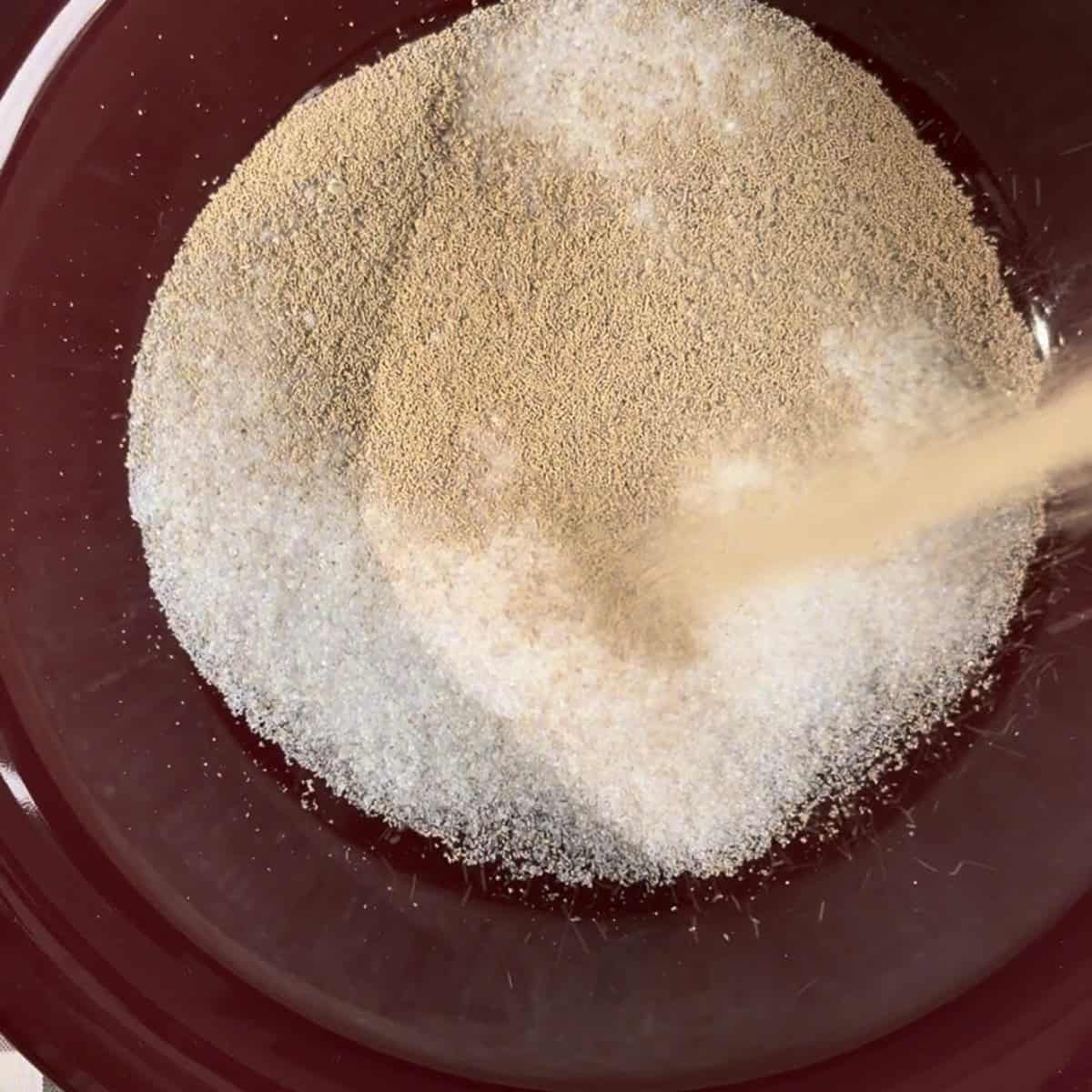
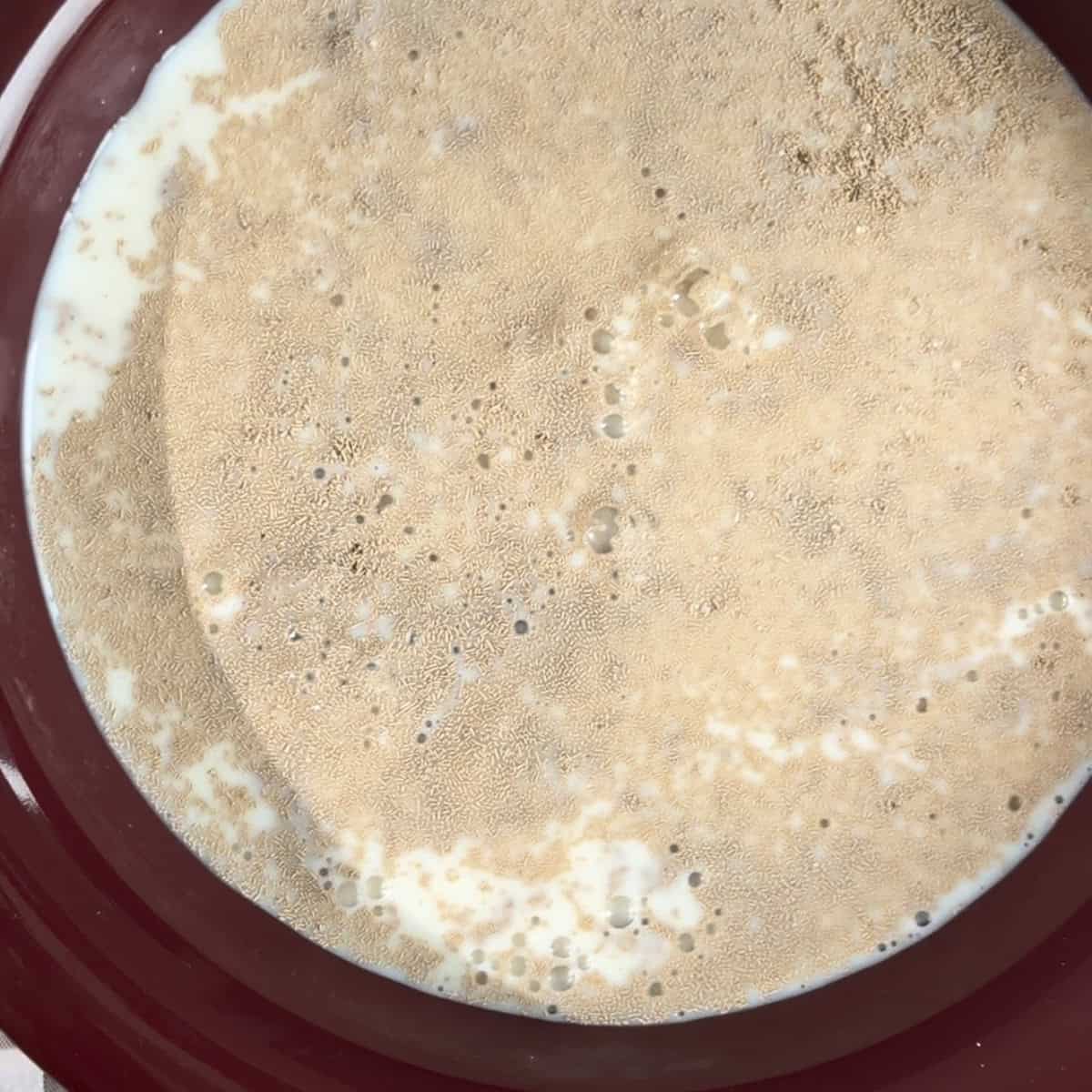
Add the sugar, fast-action yeast to a large mixing bowl. Add lukewarm milk slowly mixing as you go. Stir to combine.
Note - The milk should feel comfortably warm rather than hot, as excessive heat can damage the yeast.
2. Make the dough
Add the oil, melted butter or ghee, salt, plain flour and ground cardamom. Mix until a dough forms.
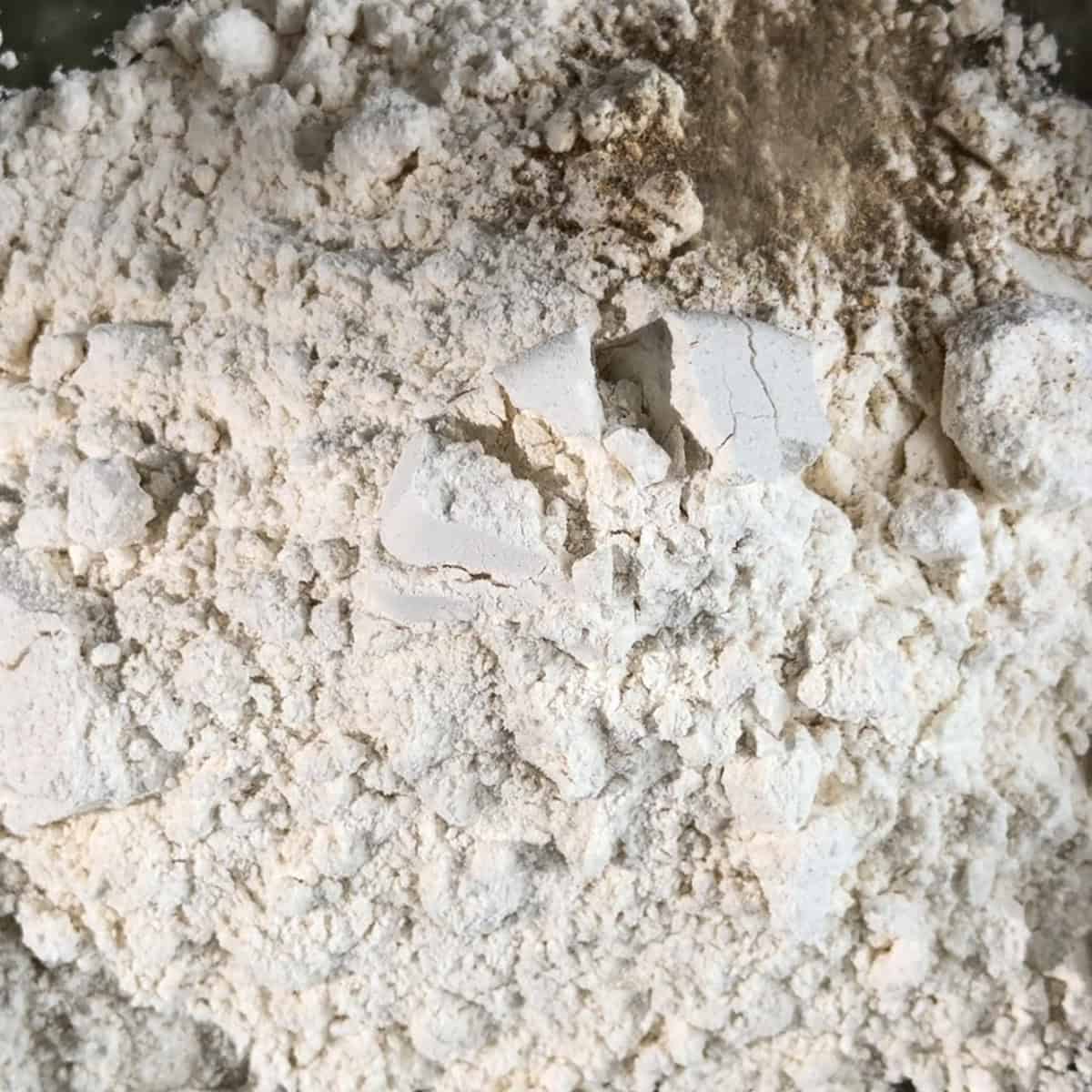
Knead for around 8-10 minutes by hand, until smooth and elastic. If the dough feels slightly sticky, knead it for another minute before considering whether it needs a little extra flour. Too much flour can make the finished mandazi dense.
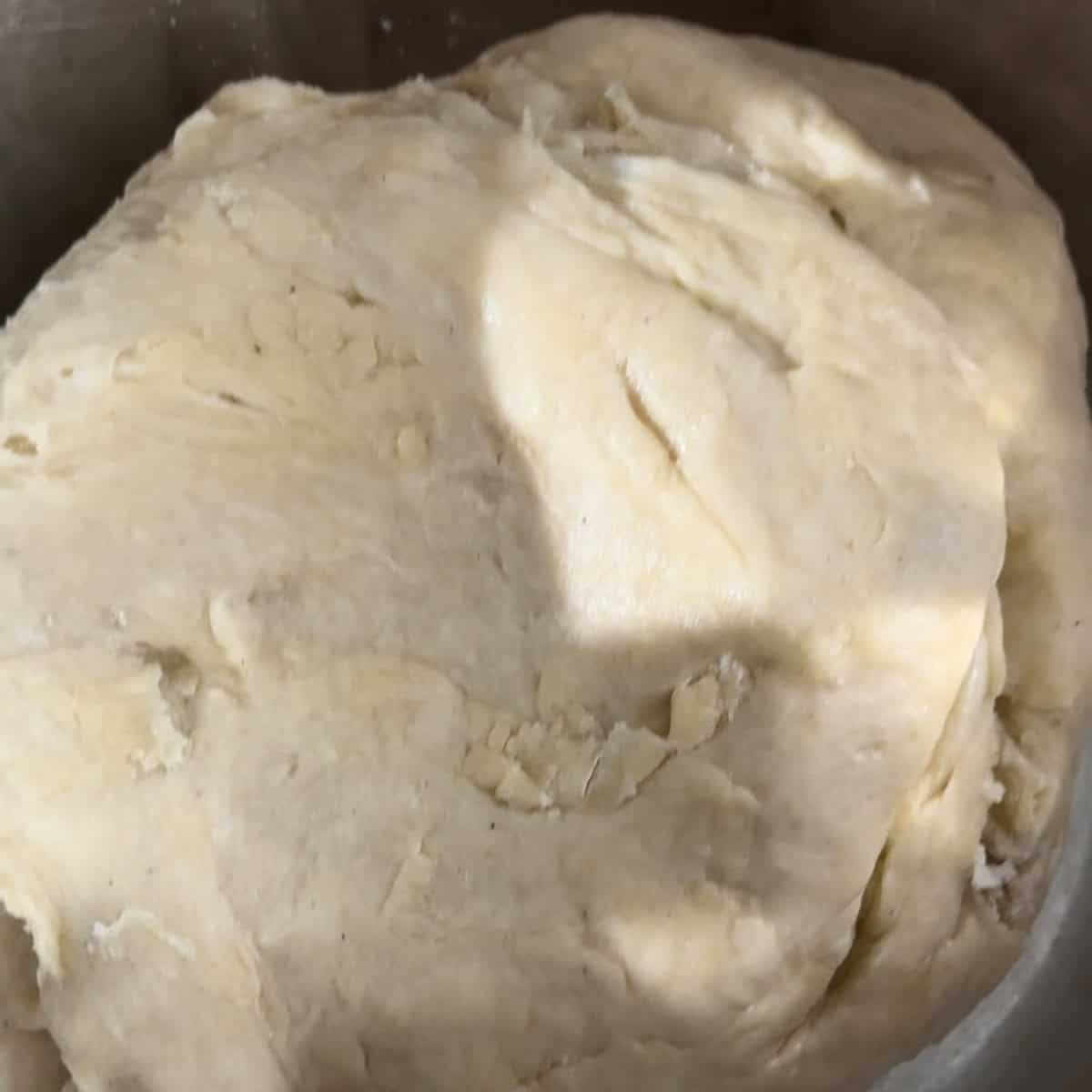
3. Leave the dough to rise
Cover the bowl and leave the dough in a warm place for about 1 hour, or until it has visibly risen.
4. Roll out the dough
Lightly flour your work surface and rolling pin (you will have to do this a few times). Turn out the dough and roll it into an even layer, approximately 1cm thick.
5. Cut into triangles
Cut the dough into strips, then cut across the strips to make triangles. You can make them larger or smaller depending on how you like to serve your Somali bur.
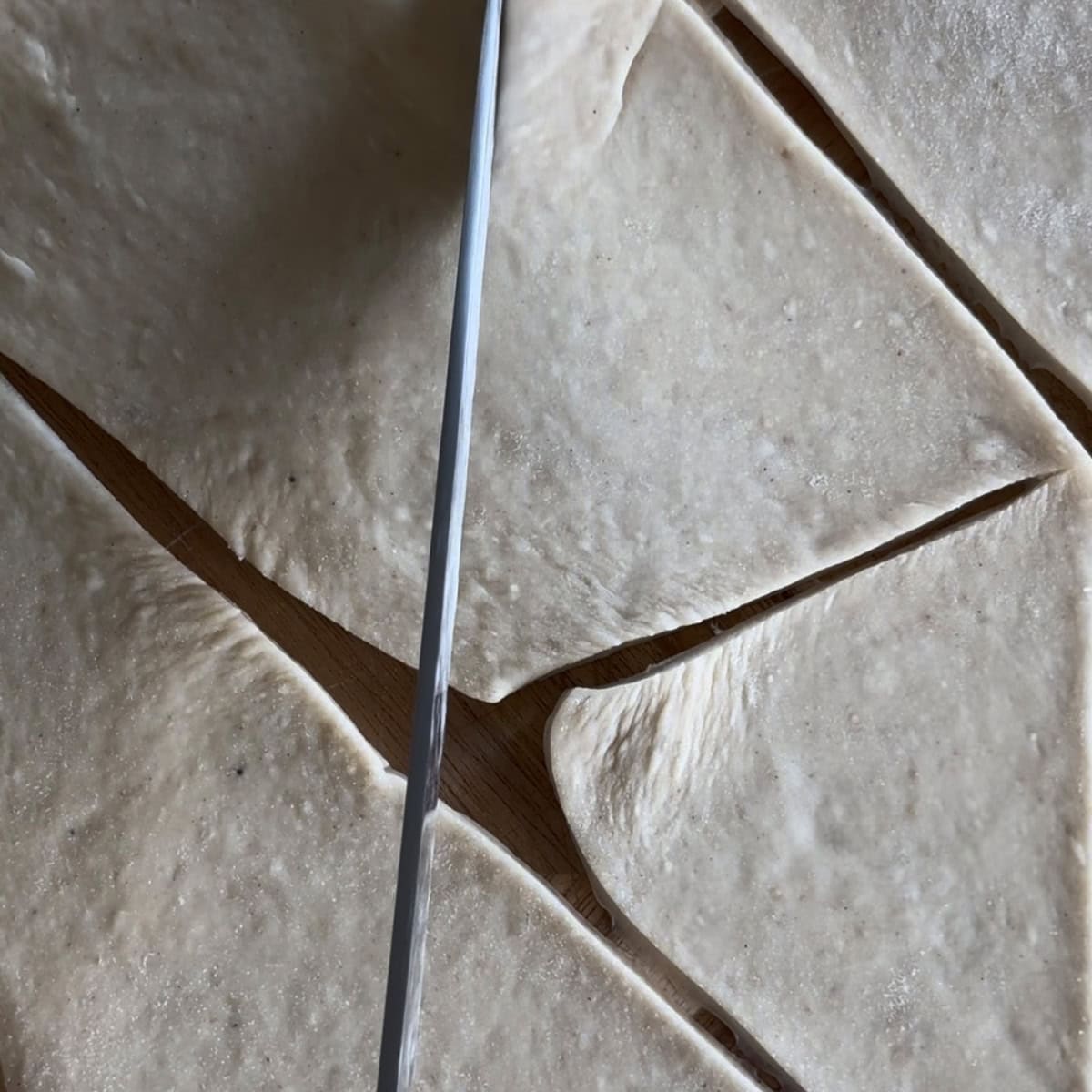
Gather any offcuts, gently bring them together and roll them out again.
6. Deep-fry
Heat the oil in a deep, heavy-based pan to approximately 170-180°C.
Carefully lower a few triangles into the oil, taking care not to overcrowd the pan. Fry for a few minutes, turning as needed, until golden brown and cooked through.
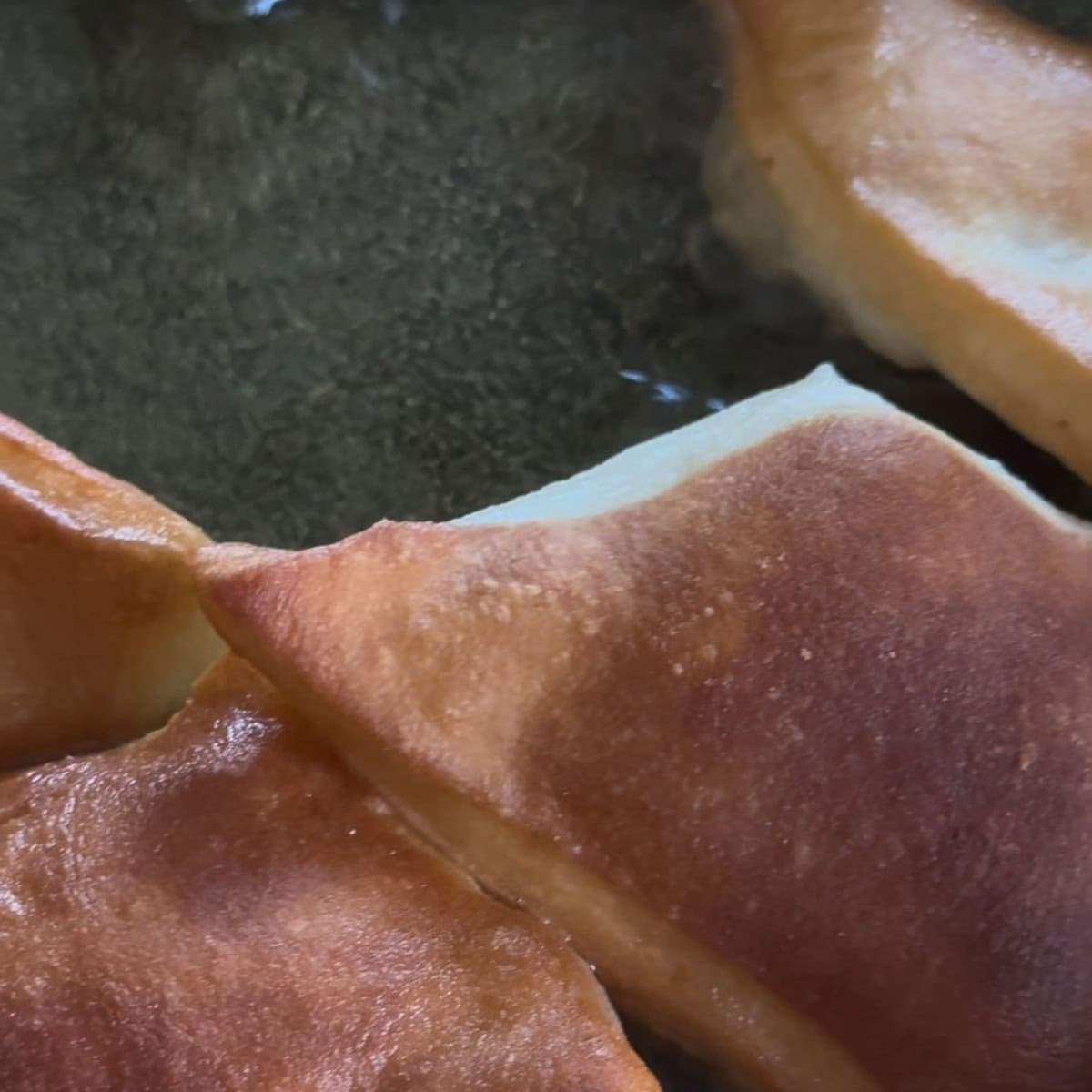
Transfer to a wire rack or a plate lined with kitchen paper. Allow the oil to return to temperature between batches.
7. Dust and serve
Leave the mandazi to cool slightly, then dust with icing sugar if you like.
Serve your East African beignets warm or at room temperature with a cup of chai.
Tips for Making the Best Mandazi
Check the milk temperature - Lukewarm milk helps the yeast work properly. Milk that is too hot can prevent the dough from rising.
Knead until smooth - A well-kneaded dough helps create a softer texture.
Give the dough time to rise - Your kitchen temperature will affect how quickly the dough rises, so look for a noticeable increase in volume.
Keep the oil at the right temperature - Oil that is too hot can brown the outside before the centre cooks. Oil that is too cool can leave the mandazi greasy.
Fry in batches - Adding too many pieces at once lowers the oil temperature and makes even cooking more difficult.
Recipe Notes
- Use oil, melted butter or ghee in the dough.
- For coconut mahamri, replace the regular milk with coconut milk.
- Frying time depends on the size and thickness of the triangles.
- Allow the oil to return to temperature between batches.
- Cup Measurements vs Metric - Cup measurements and flour weights are approximate. Weighing the flour gives the most consistent results.
- Nutrition Information - Nutrition will vary according to the size of each piece, the amount of oil absorbed during frying and whether icing sugar is added. Any estimate should be treated as approximate.
Variations
Coconut Mahamri
Replace the 240ml milk with coconut milk to make mahamri. Depending on the thickness of your coconut milk and the flour you use, you may need to adjust the liquid slightly to achieve a soft, kneadable dough.
Coconut milk gives these fried breads a richer flavour and a subtle coconut aroma.
Lemon Mandazi
Add finely grated lemon zest to the dough. The citrus flavour works particularly well with cardamom and adds freshness to the lightly sweetened dough.
Cinnamon Somali Bur
Add ½-1 teaspoon ground cinnamon along with the cardamom. Cinnamon makes these beignets particularly good alongside a milky cup of tea. They remind me of the fairground doughnuts we used to have at Blackpool!
Butter or Ghee Mandazi
Use melted butter or ghee instead of oil in the dough for a richer flavour. Allow it to cool slightly before mixing it in.
What to Serve With Mandazi
These East African and Somali fried breads are particularly good with:
- Kenyan or Tanzanian chai
- Ginger tea
- Black tea with milk
- Coffee
- Fresh fruit for a simple breakfast
They're also lovely as part of a breakfast spread with eggs and fruit.
Storage and Reheating
At room temperature - Once completely cool, store the mandazi in an airtight container for up to 2 days. They're best eaten fresh.
Reheating - Warm briefly in an oven at 160°C until heated through. Avoid overheating, as this can dry them out.
Freezing - Freeze completely cooled mandazi in an airtight container or freezer bag for up to 2 months. Defrost at room temperature and reheat in the oven.
Frequently Asked Questions
Are mandazi the same as Somali bur?
Mandazi and Somali bur are names used for lightly sweetened fried breads. Recipes and naming traditions vary between communities and households, but both can be enjoyed as soft, golden fried breads served with tea.
Are mandazi and Somali bur like beignets?
Yes, they're often described as East African or Somali beignets because of their soft interiors and golden, fried exteriors. The dough, shape and sweetness can differ from other types of beignets.
What is the difference between mandazi and mahamri?
Mahamri are commonly associated with the Swahili coast and are typically made with coconut milk. Mandazi is a broader name for East African fried breads, and recipes vary by region and household.
Why are my mandazi hard?
Too much flour, insufficient kneading or frying for too long can result in hard mandazi. Aim for a soft dough and keep the oil temperature steady.
Can I make Somali bur without cardamom?
Yes. You can leave out the cardamom or replace it with cinnamon, lemon zest or another flavour you enjoy.
Can I make the dough ahead?
You can prepare the dough ahead and refrigerate it, covered, after kneading. Allow it to rise as needed before rolling and frying. Timing will depend on how much the dough rises in the fridge.
Can I bake mandazi instead of frying them?
This recipe is designed for deep-frying. Baking will produce a different texture and won't give the Somali bur the same characteristic fried exterior.


Did you make this recipe?
Rate and Leave a comment
Did you make this recipe? i'd love to hear about it! did you try any variations? if you loved this recipe/tried any variations/have some top tips, please leave a star rating and comment below. Your reviews make our day and your tips help others to find our recipes and enjoy them too!
you can also follow us on instagram and subscribe to our newsletter to get our latest recipes.
📖 Recipe

Mandazi (Somali Bur) - East African Beignets
Ingredients
- 4 tablespoon sugar 50g
- 1 sachet fast-action yeast 7g
- 190 ml lukewarm milk
- 3 tablespoon oil or melted butter or ghee
- ½ teaspoon salt
- 2 cups plain flour about 280 g
- 1 teaspoon ground cardamom
- Neutral oil for deep-frying
- Icing sugar for dusting (optional)
Instructions
Mix the yeast and milk
- Add the sugar, fast-action yeast to a large mixing bowl. Add lukewarm milk slowly mixing as you go. Stir to combine.
- Note - The milk should feel comfortably warm rather than hot, as excessive heat can damage the yeast.
Make the dough
- Add the oil, melted butter or ghee, salt, plain flour and ground cardamom. Mix until a dough forms.
- Knead for around 8-10 minutes by hand, until smooth and elastic. If the dough feels slightly sticky, knead it for another minute before considering whether it needs a little extra flour. Too much flour can make the finished mandazi dense.
Leave the dough to rise
- Cover the bowl and leave the dough in a warm place for about 1 hour, or until it has visibly risen.
Roll out the dough
- Lightly flour your work surface and rolling pin (you will have to do this a few times). Turn out the dough and roll it into an even layer, approximately 1cm thick.
Cut into triangles
- Cut the dough into strips, then cut across the strips to make triangles. You can make them larger or smaller depending on how you like to serve your Somali bur.
- Gather any offcuts, gently bring them together and roll them out again.
Deep-fry
- Heat the oil in a deep, heavy-based pan to approximately 170-180°C.
- Carefully lower a few triangles into the oil, taking care not to overcrowd the pan. Fry for a few minutes, turning as needed, until golden brown and cooked through.
- Transfer to a wire rack or a plate lined with kitchen paper. Allow the oil to return to temperature between batches.
Dust and serve
- Leave the mandazi to cool slightly, then dust with icing sugar if you like.
- Serve your East African beignets warm or at room temperature with a cup of chai.
Notes
Cup Measurements vs Metric
Cup measurements and flour weights are approximate. Weighing the flour gives the most consistent results.Nutrition Information
Nutrition will vary according to the size of each piece, the amount of oil absorbed during frying and whether icing sugar is added. Any estimate should be treated as approximate.Tips for Making the Best Mandazi
Check the milk temperature - Lukewarm milk helps the yeast work properly. Milk that is too hot can prevent the dough from rising. Knead until smooth - A well-kneaded dough helps create a softer texture. Give the dough time to rise - Your kitchen temperature will affect how quickly the dough rises, so look for a noticeable increase in volume. Keep the oil at the right temperature - Oil that is too hot can brown the outside before the centre cooks. Oil that is too cool can leave the mandazi greasy. Fry in batches - Adding too many pieces at once lowers the oil temperature and makes even cooking more difficult.Recipe Notes
- Use oil, melted butter or ghee in the dough.
- For coconut mahamri, replace the regular milk with coconut milk.
- Frying time depends on the size and thickness of the triangles.
- Allow the oil to return to temperature between batches.
Variations
Coconut Mahamri
Replace the 240ml milk with coconut milk to make mahamri. Depending on the thickness of your coconut milk and the flour you use, you may need to adjust the liquid slightly to achieve a soft, kneadable dough. Coconut milk gives these fried breads a richer flavour and a subtle coconut aroma.Lemon Mandazi
Add finely grated lemon zest to the dough. The citrus flavour works particularly well with cardamom and adds freshness to the lightly sweetened dough.Cinnamon Somali Bur
Add ½–1 teaspoon ground cinnamon along with the cardamom. Cinnamon makes these beignets particularly good alongside a milky cup of tea. They remind me of the fairground doughnuts we used to have at Blackpool!Butter or Ghee Mandazi
Use melted butter or ghee instead of oil in the dough for a richer flavour. Allow it to cool slightly before mixing it in.What to Serve With Mandazi
These East African and Somali fried breads are particularly good with:- Kenyan or Tanzanian chai
- Ginger tea
- Black tea with milk
- Coffee
- Fresh fruit for a simple breakfast


Leave a Reply